To swim the English Channel is a binary thing, you either swim all the way to France from England or you don’t. On Sunday I thought I gave it my all, but on my next swim I will complete the job without the error of my decision-making. Now two days after the swim the euphoria has faded away, and looking back, this incomplete swim was a brilliant kaleidoscope of learning and a great experience, but until the next swim…
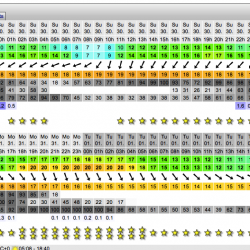
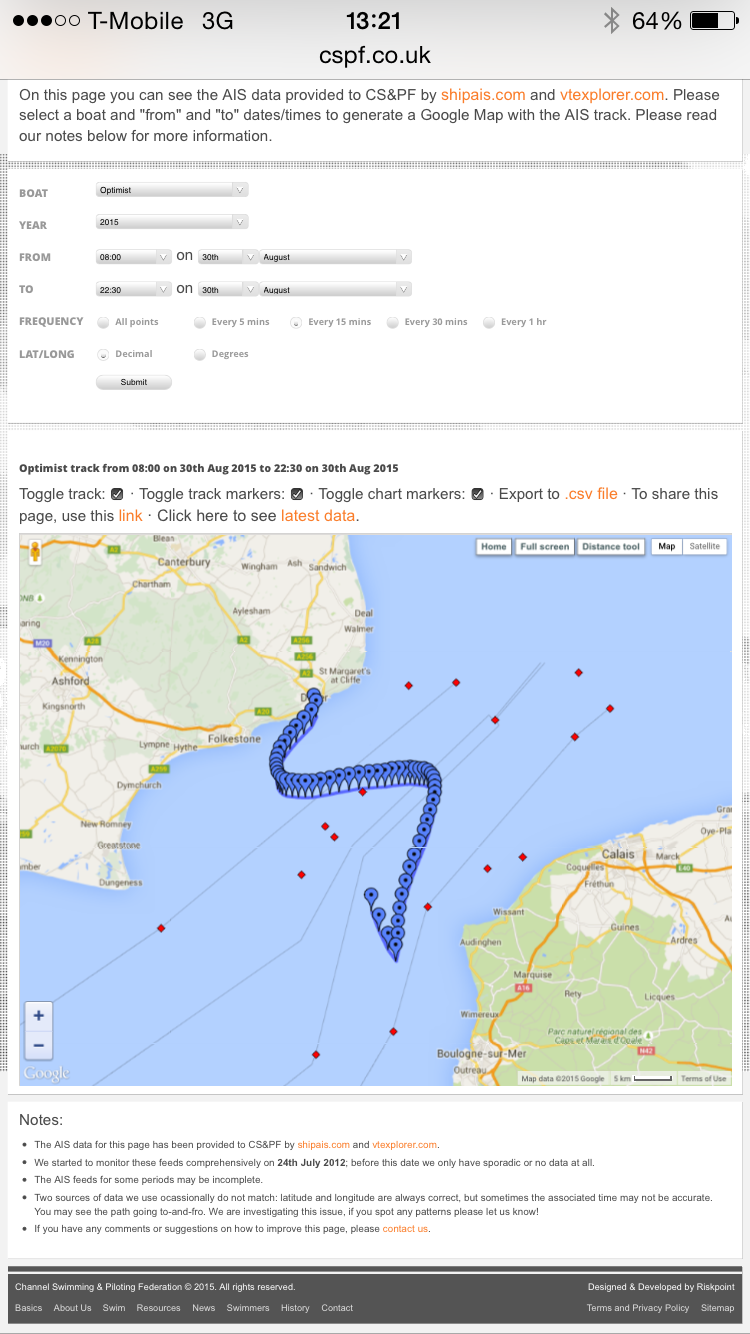
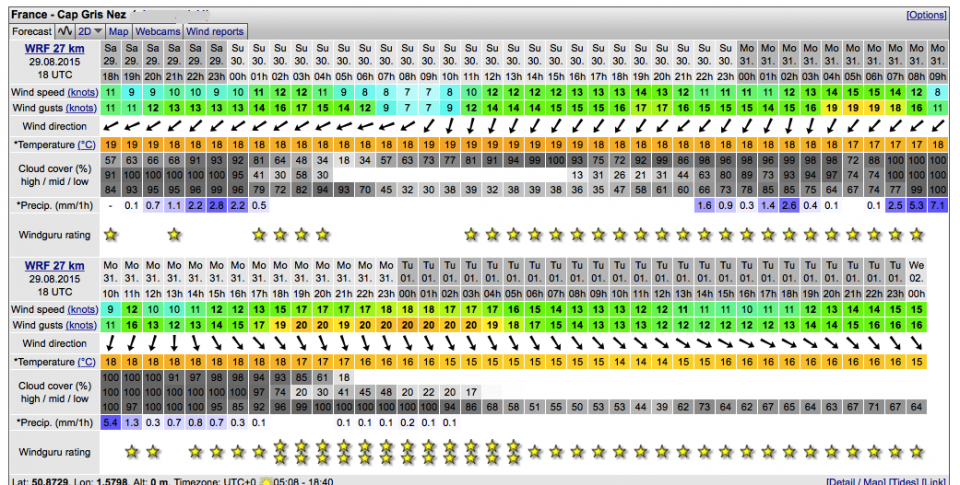
At 7am on Sunday morning, and a few days after my ‘swim window’ had closed, we met Paul Foreman and Dave who were taking us across the Channel on Paul’s boat ‘Optimist’. Paul’s reading of the forecast suggested that the winds might pick up later and offered us a Clash of choices; should I stay or should I go now? This summer, the weather forecasters predictions have been as patchy as the weather itself, one day it’s fine the next it’s black, but like Paul’s boat and Paul himself, I was optimistic. The weather’s swings were killing me and there was a chance that the day might have turned out ok. I could have said no, instead I decided, “let’s do it”.
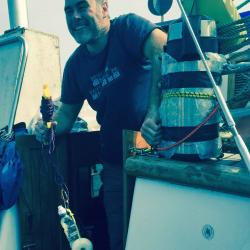
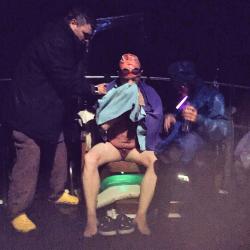
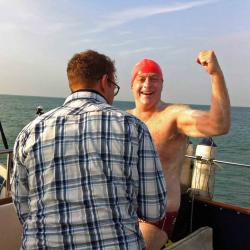
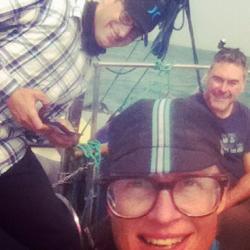
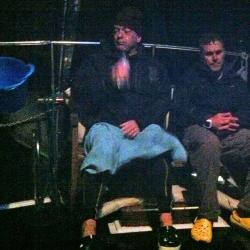
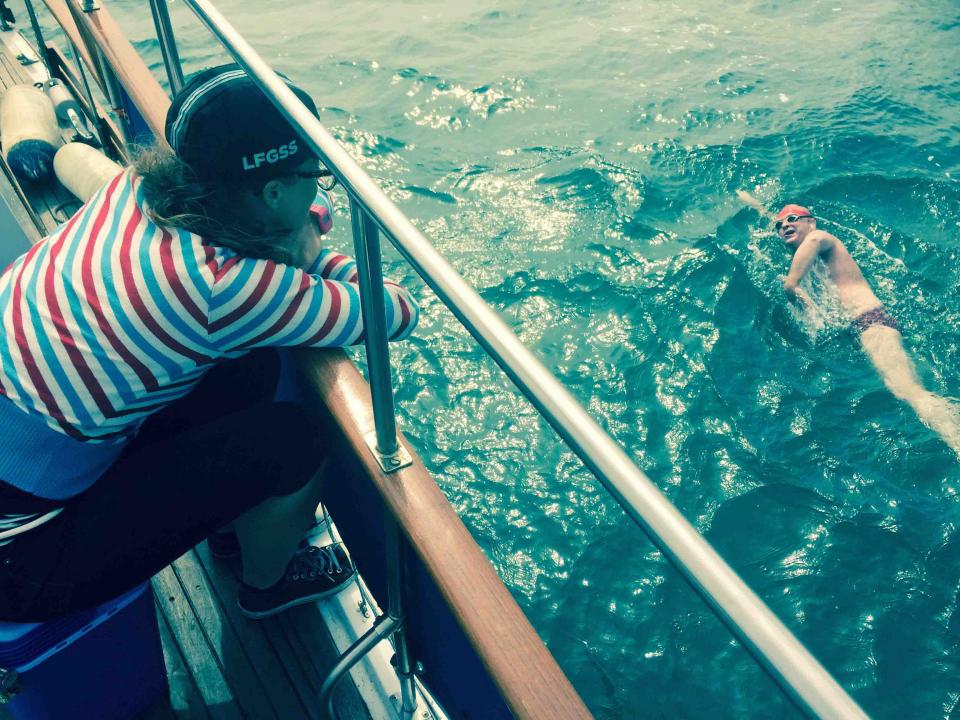
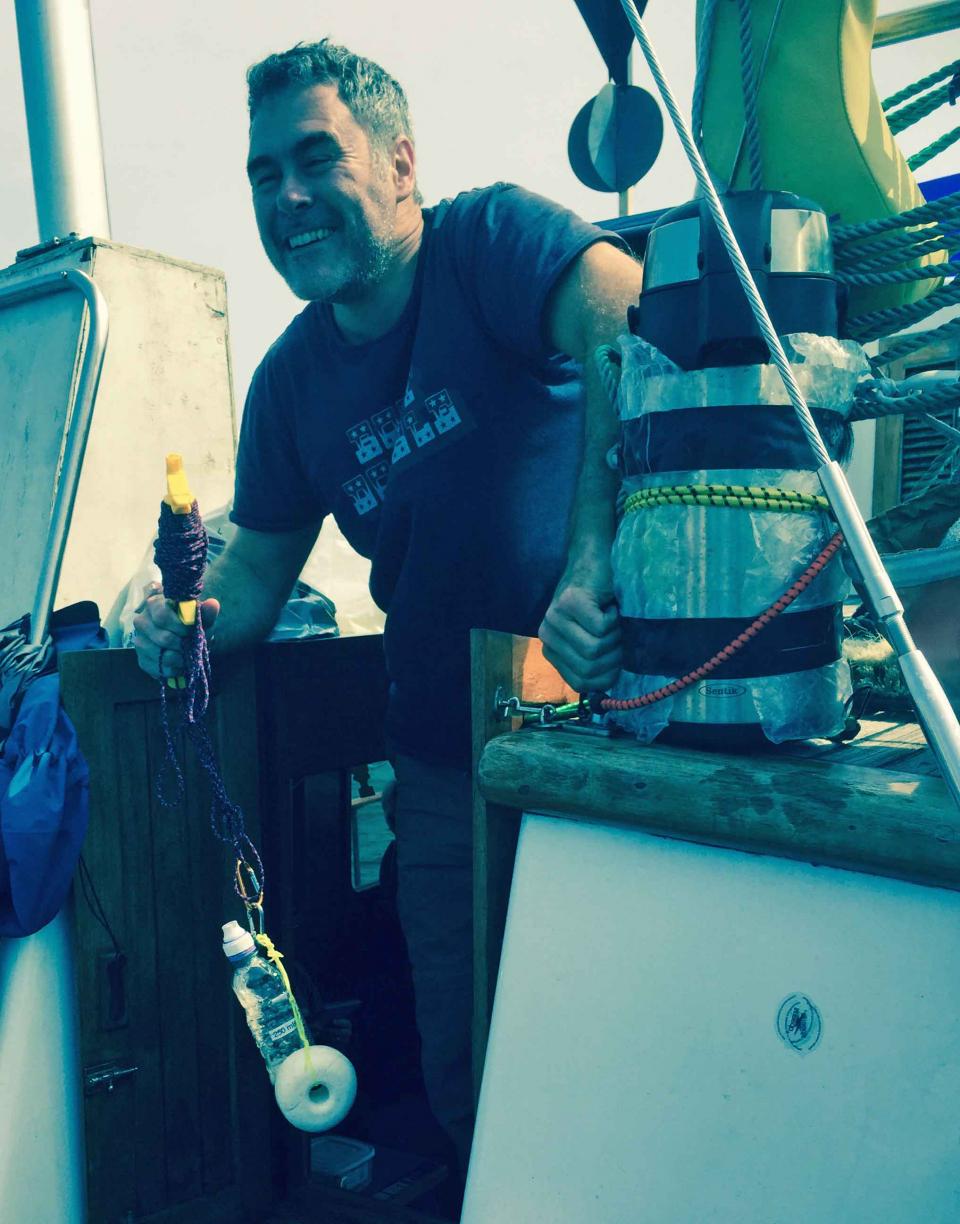
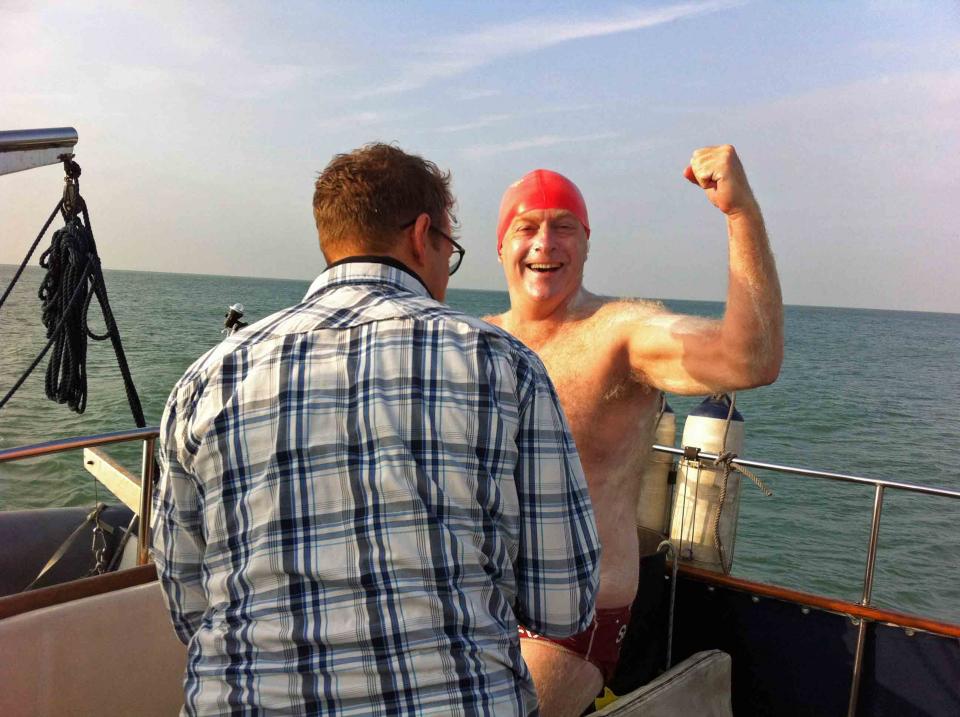
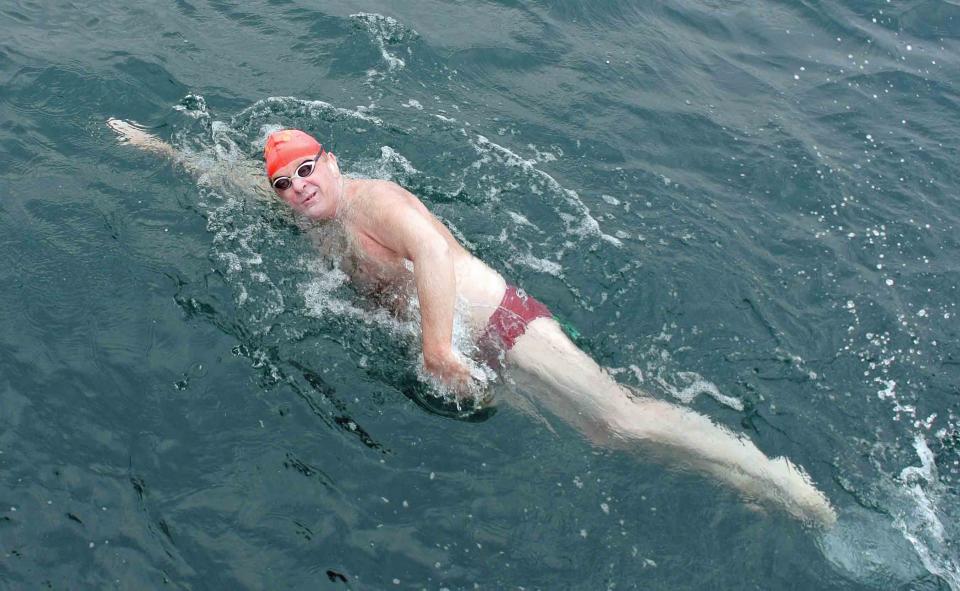
On board, the close bond with my support crew of Serpentine swimmers of Dani Lobo, Volker Koch and Kat Jungnickel was forged yet stronger, but first they had the task of greasing me with sun block and a bit of lanolin and lighting me up for the day and night ahead. From the marina it took five minutes to reach the start point where I jumped into the water to swim to shore. Like many a swimmer before, I had the sound of the famous bard’s “pebbles chafes” in my ears as I climbed up the shingle on Shakespeare Beach in Dover for my 7.57am swim start.
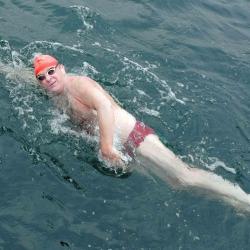
A brief “good morning” to a solitary rod and line fisherman, a prayer for good fortune and then I started at an easy rate where the first three hours flew by. I threw in some leg kick to take advantage of when the weather was smooth and tried to concentrate on all that Ray Gibbs at Swim Canary Wharf had coached me to do. Ray has been instrumental in improving my technique and as a result, my speed.
At around five hours of swimming, my mood shifted just like during my training swims in Dover and Cork. I felt terrible. I had to get the monkey off my back and rid myself of the thought I wouldn’t make it. I switched from carbohydrate feeds to tea and sugar. Here I used my counting mantra of going through the names of my friends at Serpentine SC; Ana, Boris, Charlie, Dani, Eric, Fabik, Grigoriu (because E was gone) and then on with more names. This worked well to a point. Are you on the list? Of course you are, ask me.
Volker and Dani who I have loved swimming with all summer threw out names of well-wishers to me at intervals, but being strong friends with a sense of occasional mischief, another name not in my lexicon was thrown to me, and two seconds later I wondered how one swimmer could puke so much, stop and then puke the same amount again. Autosuggestion works. The relief was immediate. My stroke rate picked up and I never looked back.
Freda says never look forward to France or back to England, and during feed times I couldn’t see land thanks to the light fog and my eyesight. I lay on my back and guzzled liquid gunk in ten seconds. The trick was to jam the neck of the bottle with a small piece of banana, thus preventing seawater getting into the feed. When I open my gob though, seawater finds a path to my stomach.
I asked my crew to remind me to pis, pis pis or as the French might say ‘tant pis’. That’s a lot of pis for one paragraph. I asked myself was I tired, and the answer was 100% no, so I felt great and carried on in choppy water. Ray’s drills of rotating my body to use my back muscles were key and I tried to use my back strength to rotate me to France. The other key things that helped me were the great work of the best chiropractor for athletes in the world, Antoni Jakubowski who has kept my rugby abrasioned neck and back in one piece. I was also fortunate to have discovered the brilliant work of John Young, a therapist who has overcome so much and who gives his all for others. Both Antoni and John were the gifts to me for throwing in 50kms a week of swimming in the latter stages of training.
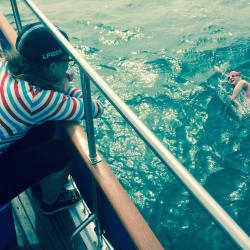
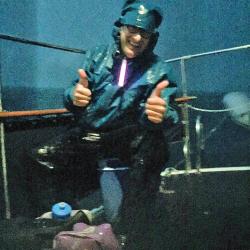
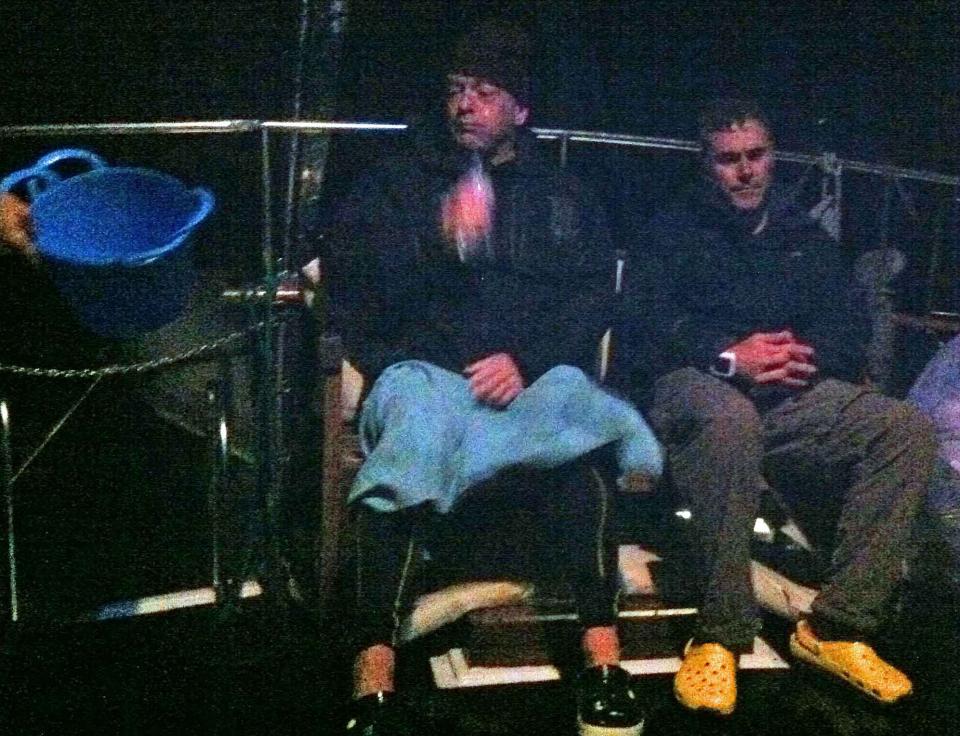
Dani’s constant cheering and support was great and he joined me for a one hour swim around the eighth hour. By this stage, I had no desire for conversation and used hand signals. Earlier in the day, I had been boosted by Kat’s constant eye contact on the swimmer with a smile that said ‘I understand it all’. I only discovered afterwards that Kat had gone through a bout of sea misery on deck herself but that she had stoically said nothing. Kat was superb in making me feel that I was not alone and I look forward to catching up with Kat on dry land. But how can you be alone on a solo swim? Friends, fellow swimmers, and the thought of many who had completed the same journey across the English Channel kept me motivated. And the constant positive presence of Volker, Dani and Freda just three of many that I will be grateful to for life.
Freda The “Channel General” is a selfless woman who drives to Dover harbour every weekend to help swimmers cross to France. Freda has done this for 32 years and I am fortunate to have had a season of swimming to the advice of Freda. Lucky her daughter Alison who has swam the Channel a record 42 times, and all the others who Freda has given of her time, selflessly and unconditionally and if not too gooey a word lovingly. The only debt for Freda she said was “You owe me a Channel crossing”.
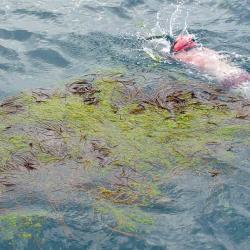
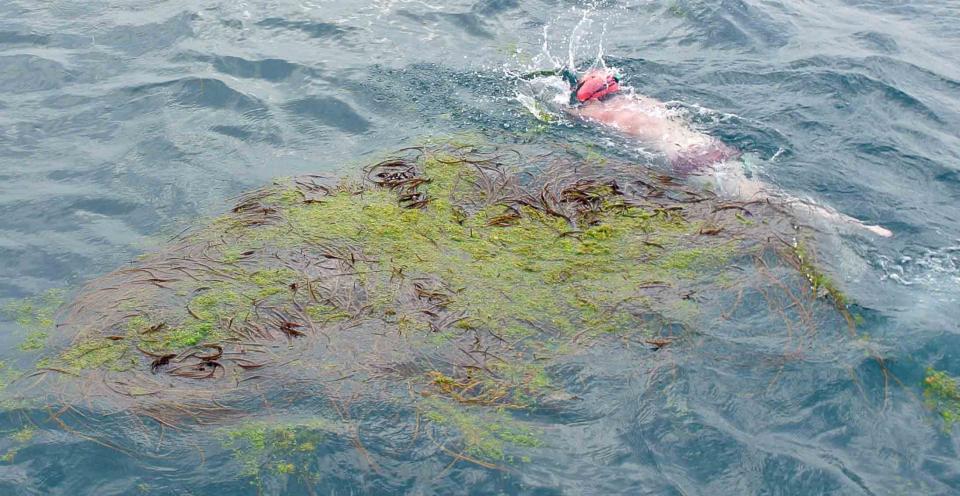
Earlier, I saw two ships in the southwest shipping lane. This sighting was a mini visual success, as I knew where I was located. The skies darkened and the winds picked up, and on I swam. The puking didn’t deter me, nor did the multiple jellyfish stings. The stings woke me up more than anything else and the pain faded to zero within 20 minutes. Around ten hours, I saw a ship somewhere on the northeast-shipping lane, another milestone. At this point I failed to ask my crew where I was, and in my head I made a calculation that I had maybe six hours to go. This time was a standard Freda training swim I thought. So, being unable to see anything, I visualized Dover harbour and set about counting down a reverse six-hour swim.
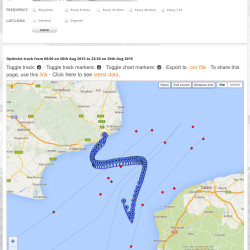
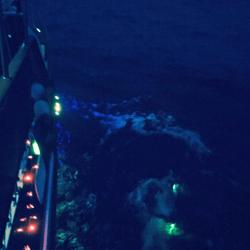
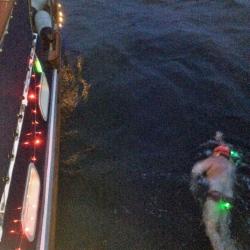
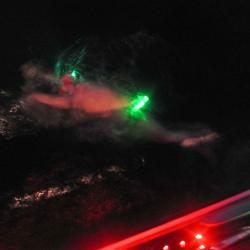
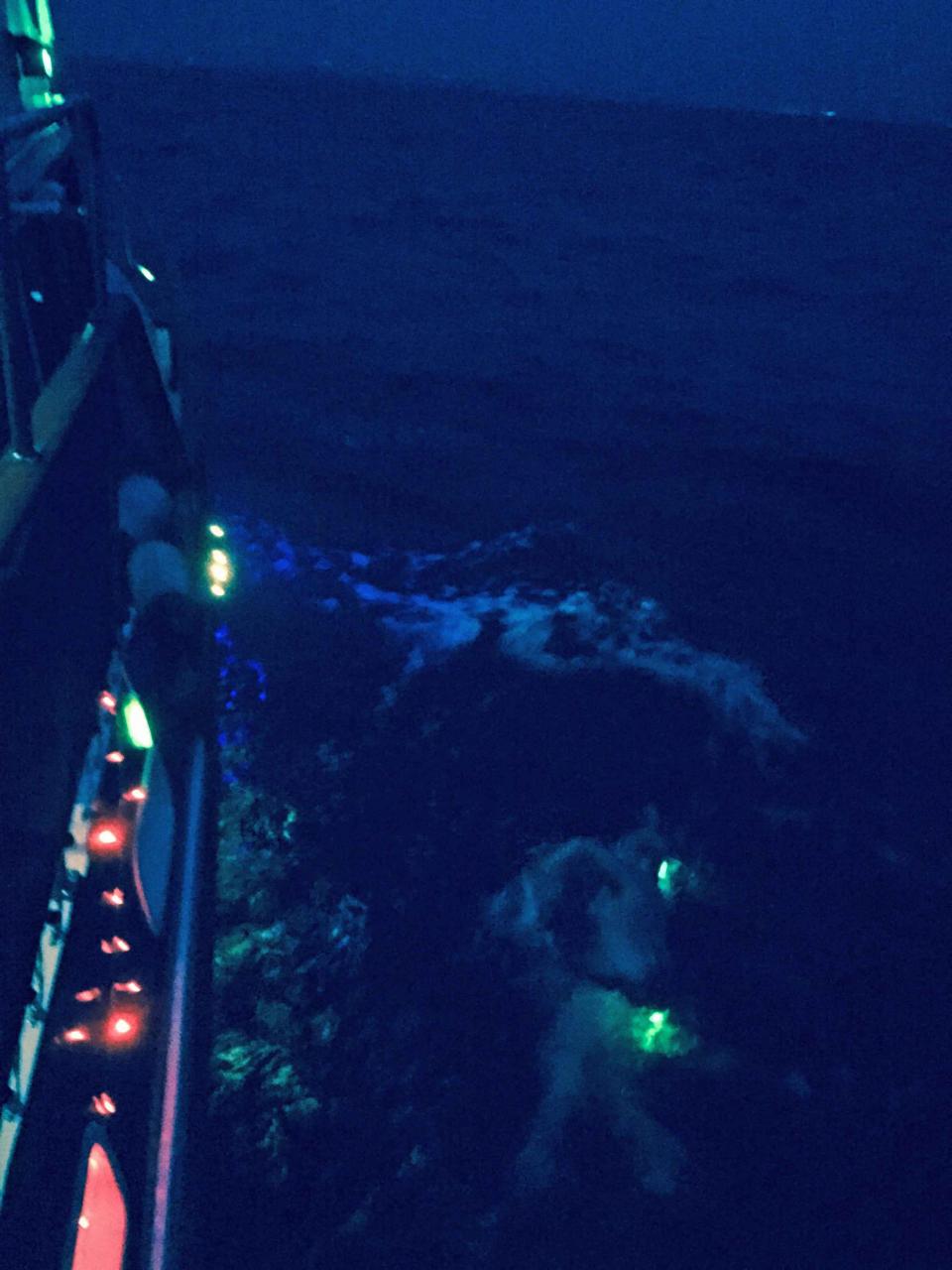
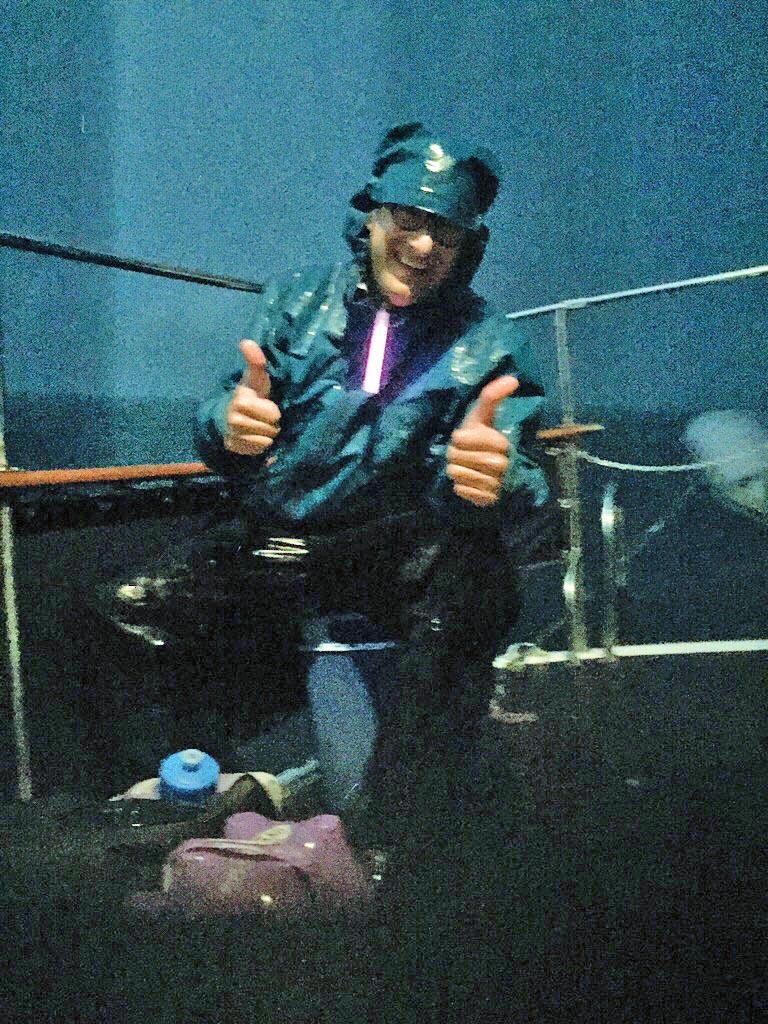
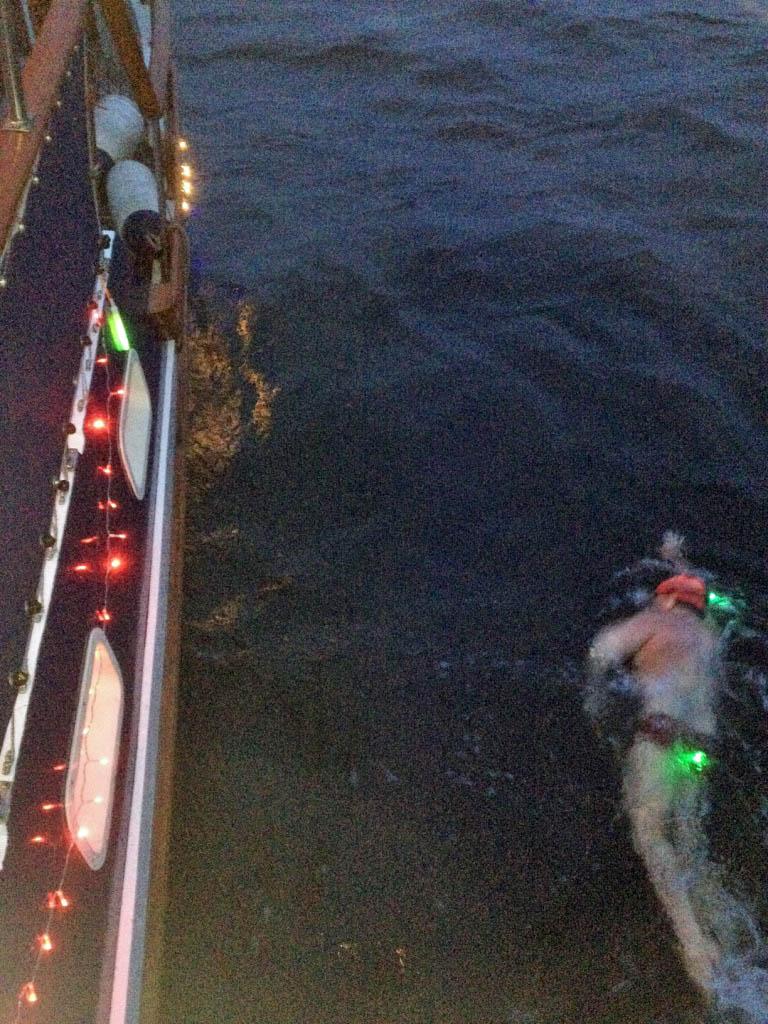
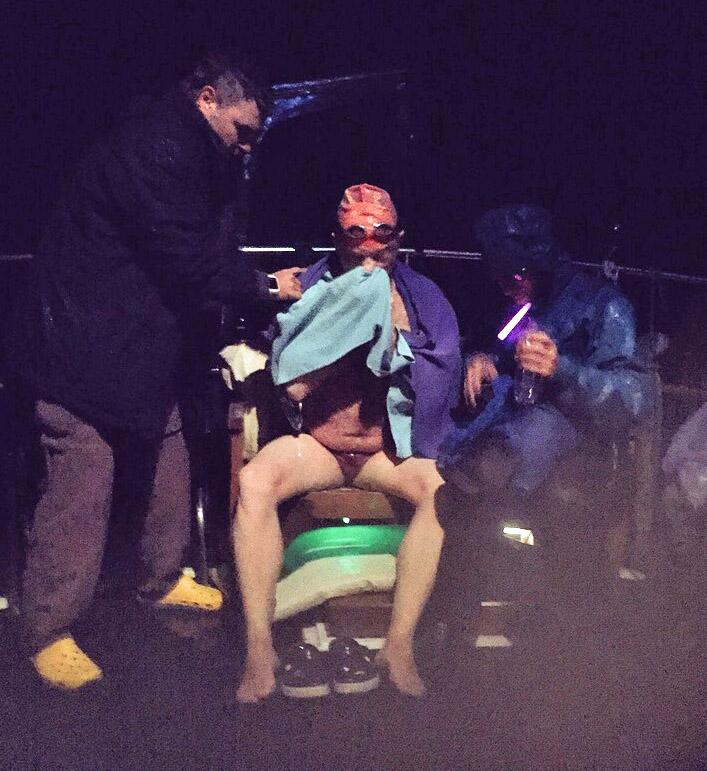
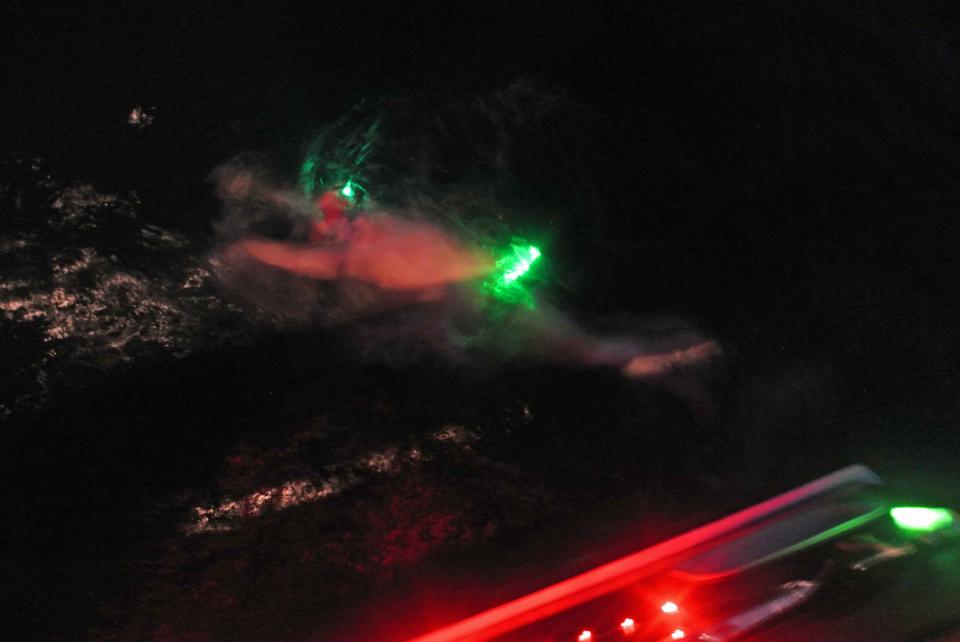
I swam for 30 minutes to the imaginary harbour wall and had a feed and back to Freda, Barry and Irene for another feed for my sixth hour. I did the same for what I felt was my fifth hour, but in my fourth hour it was tough. The lightning had picked up and the electrical storm was illuminating the boat brighter than my Christmas LEDs, which the ever present and brilliant Volker had stretched along the portside to help me. I was not afraid. If the lightning and me had been closer to shore then that would have been different; after all if lightning is such a threat, then no ships would have ever crossed the oceans. My brother’s words of ‘be tough’ stuck with me. I could feel the rain pelting down on my back and this was no different to swimming in the Serpentine or the Blackwater River with the Cork swimming crew. I wasn’t afraid of the lightning, figuring that it was too far away, although it was getting brighter. But I struggled. I also believed that it’s hard for lightning to strike an object that is far offshore. It was hard to see my crew in the dark. The waves were invisible to me as well, and I was consuming more salt water as I inhaled. Again this was not a deal breaker although it was tough. I had a feed and carried on, but not long afterwards I thought that I was taking on too much seawater when breathing. At nighttime it’s hard to see the waves washing over you and I felt uncomfortable at that. After a while, I could feel that comparatively the weather was worsening, and the wind was gaining strength. I decided to stop. I could feel that the weather was bashing us with every stroke and I knew that at some point I wouldn’t be able to continue. It was at this point that I gave up. I called to Paul “I want out” and drifted to the boat’s stern where ‘Optimist’ is emblazoned. I touched the boat before the steel-minded and brilliant Volker and Dani could persuade me to try some more. I wanted out and satisfied my short term needs. That was 13 hours and 37 minutes of non-stop swimming.
I subsequently discovered that I was perhaps 40 minutes from French inshore waters. I learnt the next day that a couple of hours after my exiting that the winds had jumped up to 40 knots and Eddie Spelling, the pilot of ‘Anastasia’ had called off his swim relay which included the team of Ellery and Sally MG. They were being blown 50 metres from the boat in seconds. It’s all conjecture now, but Paul and my crew would probably have stopped me when we reached this weather patch.
Learning afterwards, getting out should never be the decision of a swimmer. It should only be the call of the skipper or the support crew. I might have had between three and five hours to go on what was a horrible night and had it been daytime I might have pushed more.
Short story is I’d worked hard for this day, and worked the hardest ever on the day, and had the elements been softer, then the ending to this piece might have been different. I loved it all and have personally grown through all in terms of adhering to the four D’s of desire, drive, dedication and determination. I will finish the swim on my next attempt; all I want this time is a nighttime start and daytime finish. “Nothing great is easy” as Webb said, but it must be easier to find a souvenir rock on French soil in daytime.
Thank you all and I mean all. Yours swimmingly John Tierney