DARDANELLES SWIM 30 AUGUST 2011
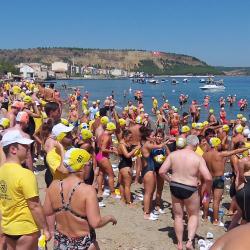
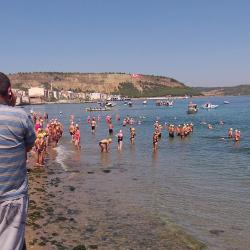
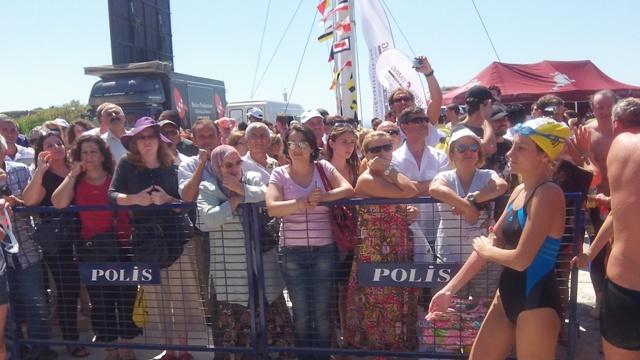
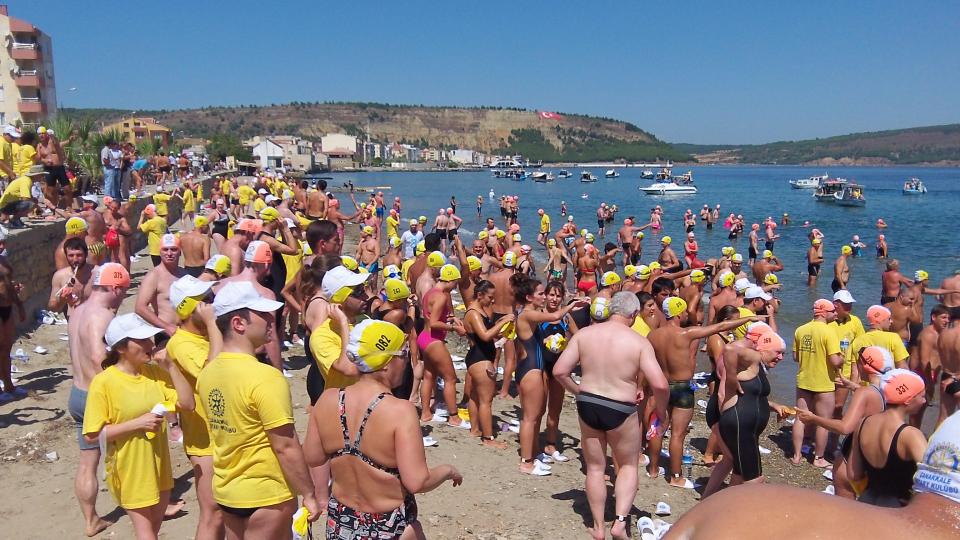
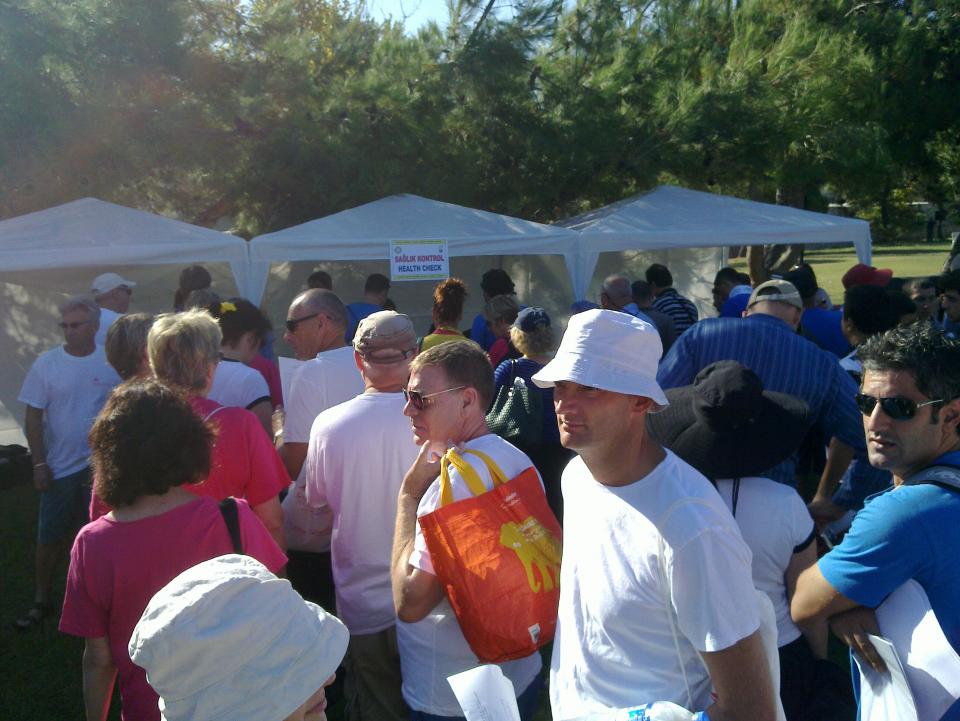
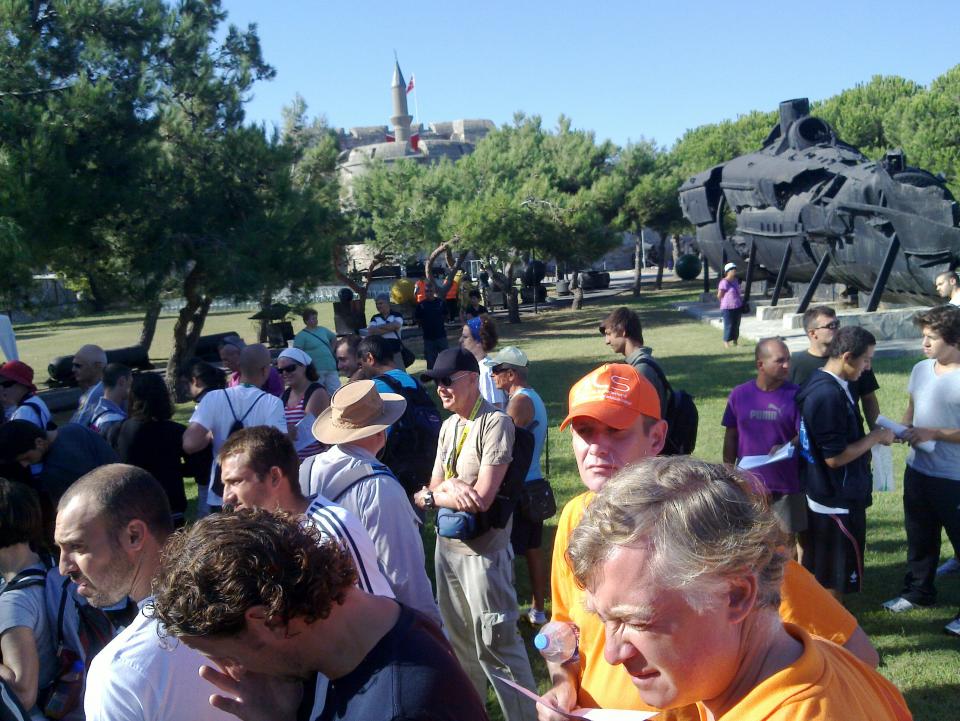
Almost 500 open water swimmers from around the world took part in the 25th crossing of the Dardanelles on 30 August. Swimmers from five continents, aged from 13 to 73 took part in the intercontinental swim from Europe to Asia, writes John Tierney.
The event, if you believe some listmakers, perhaps one of the top ten swims in the world, was excellently organised by the Turkish rotary club of Canakkale. Despite the evident risks associated with open water swimming, there were tales of jellyfish, cramps, barging, modest heroism and friendship. In 2010, almost 200 people were fished out of the water due to tough conditions, thanks to the benign conditions this year in 2011, there were no such problems. The overall feeling was one of great satisfaction for swimmers and organisers alike.
The camaraderie of open water swimming was best expressed during the 6.2km crossing from Europe to Asia, when a Turkish swimmer came to the aid of a teenage girl who had a cramp-related panic attack in the middle of the Dardanelles. An unidentified Turkish woman stopped racing to support 14 year-old Alice Garnham emotionally and physically for a few minutes whilst she recovered from her cramp. The brave youth from Northampton completed the epic swim without further incident. Apologies for lazily borrowing from Ataturk, but the character of this unidentified Turkish swimmer is best compared with his famous speech during World War I, when 500,000 soldiers perished. This Turkish lady, who swimming side by side with the young swimmer, saw no difference between the Johnnies and the Mehmets, immediately answered the call of the teenager. A spirited act in the warmth of the Turkish waters.
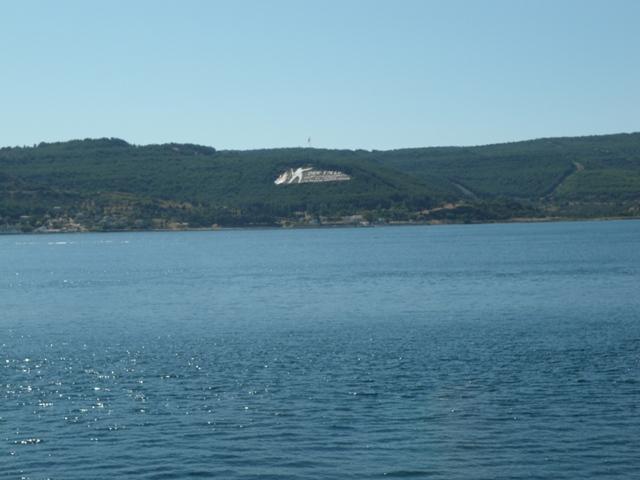
Almost a century ago, Ataturk, a Turkish national hero at the battlefields of Gallipoli, who later became president of Turkey made his famous speech. He movingly declared “those heroes that shed their blood and lost their lives. You are now lying in the soil of a friendly country, therefore rest in peace. There is no difference between the Johnnies and the Mehmets to us, where they lie side by side here in this country of ours. You, the mothers who sent their sons from far-away countries, wipe away your tears. Your sons are now lying in our bosom, and are at peace. After having lost their lives on this land, they have become our sons as well.” This speech is engraved on a Turkish monument in Anzac Cove.
LOCATION:
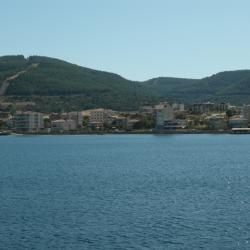
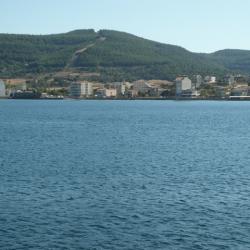
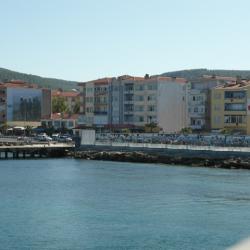
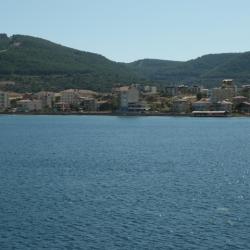
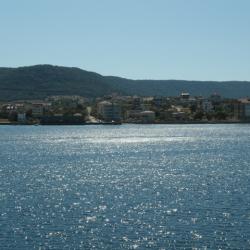
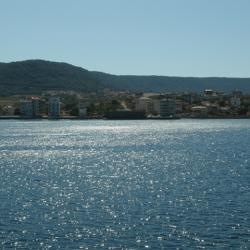
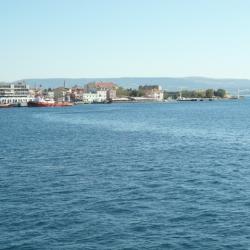
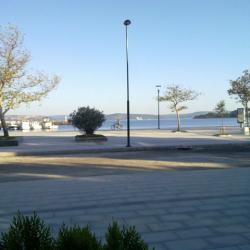
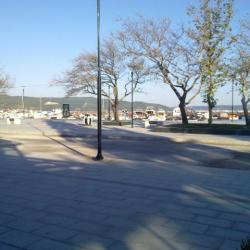
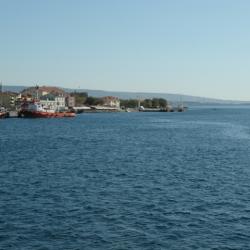
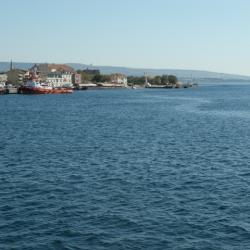
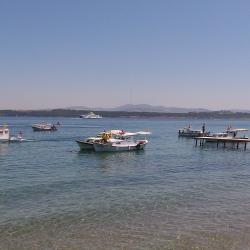
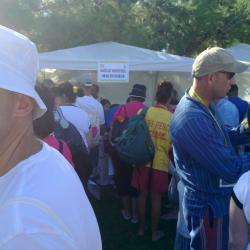
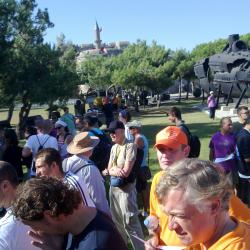
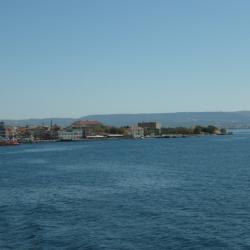
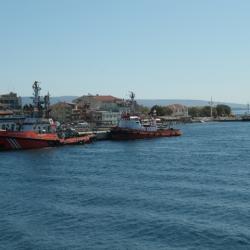
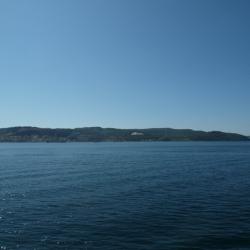
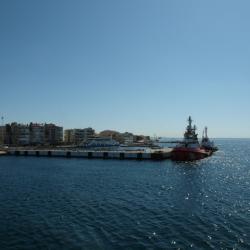
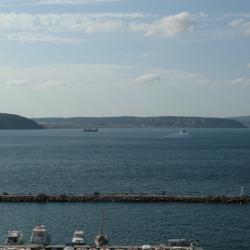
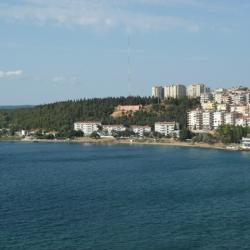
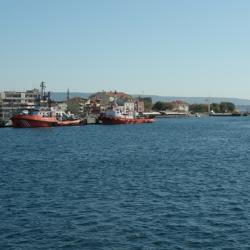
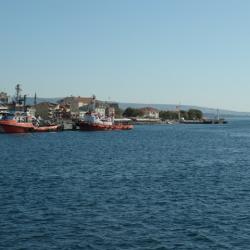
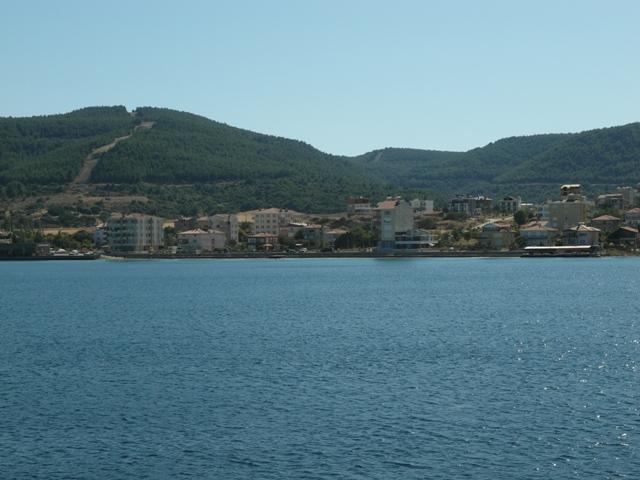
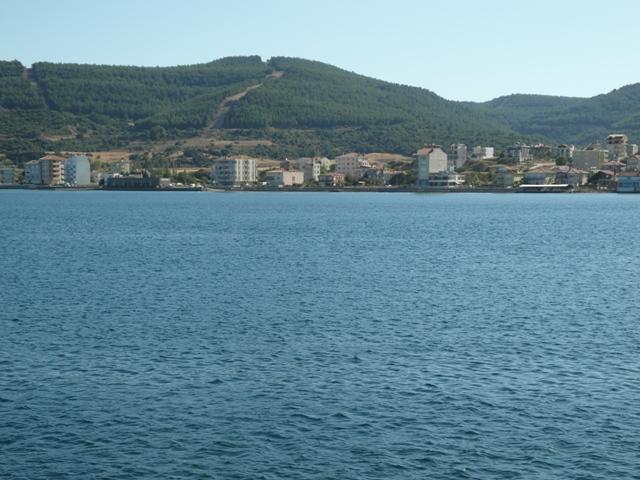
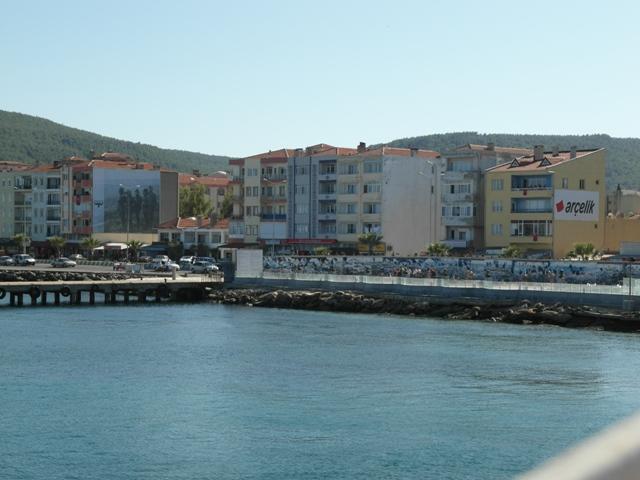
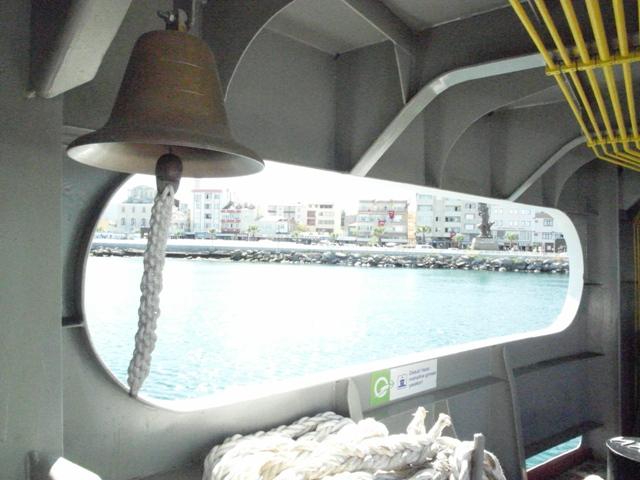
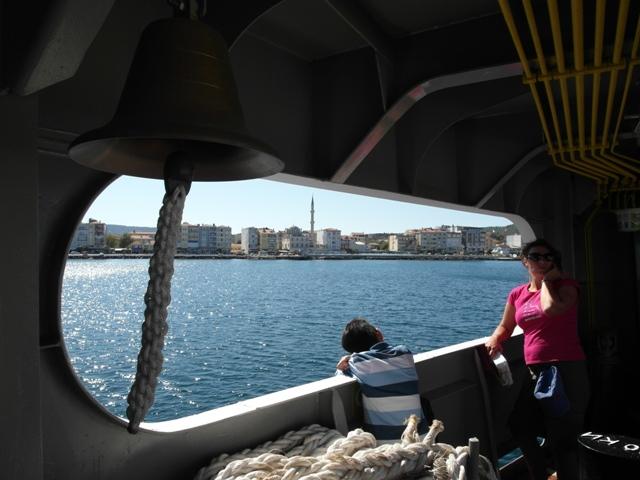
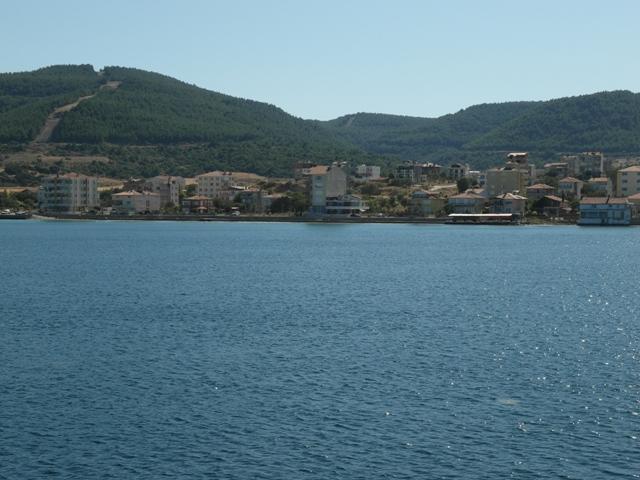
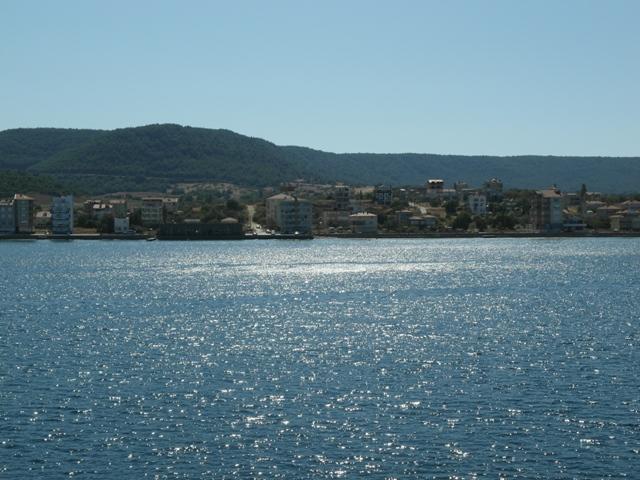
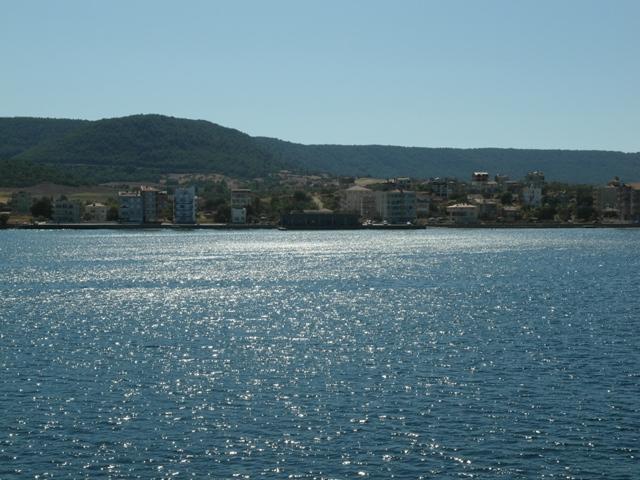
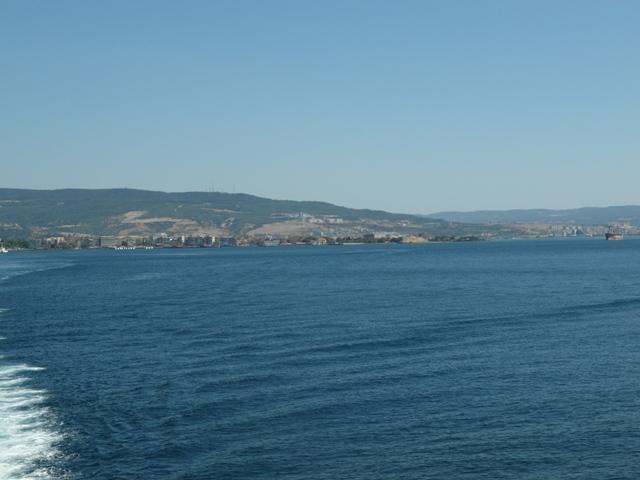
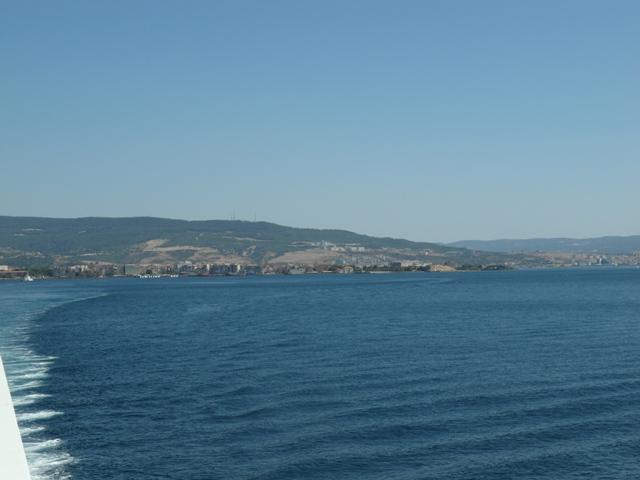
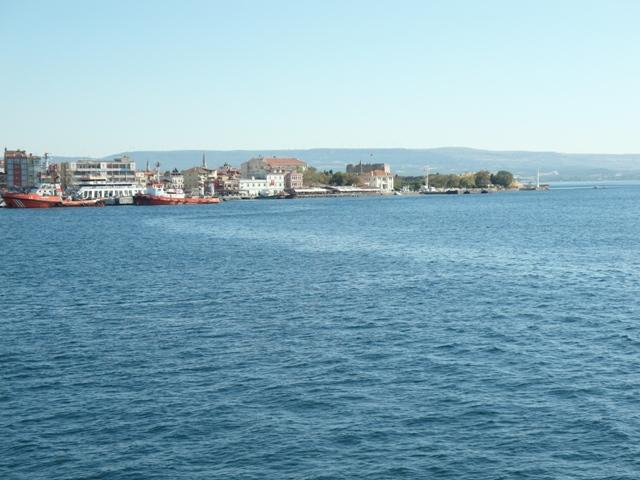
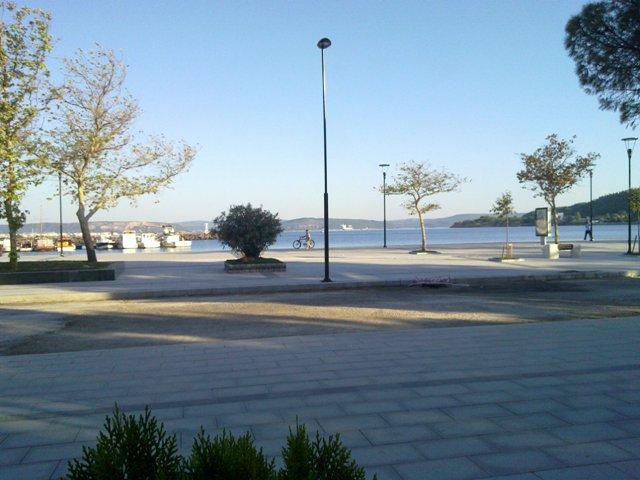
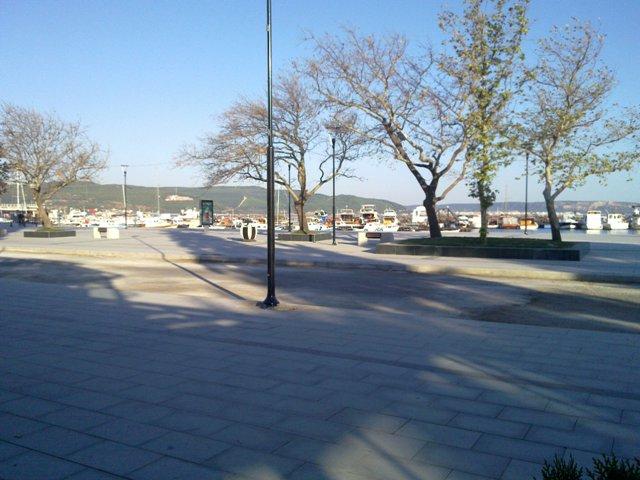
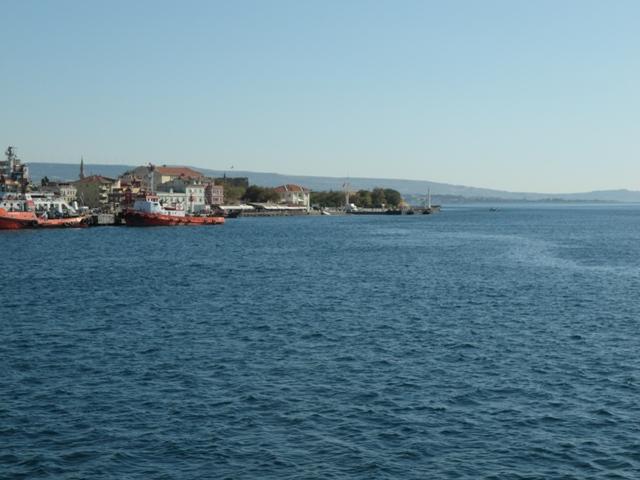
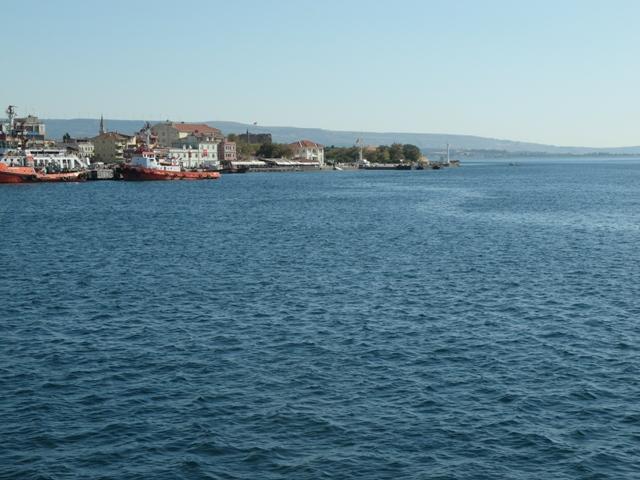
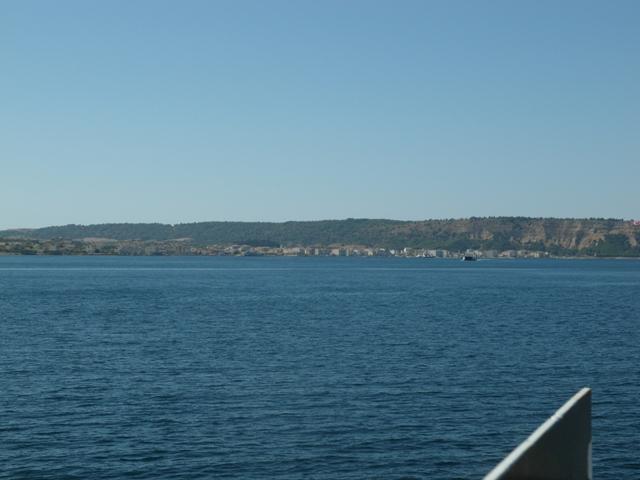
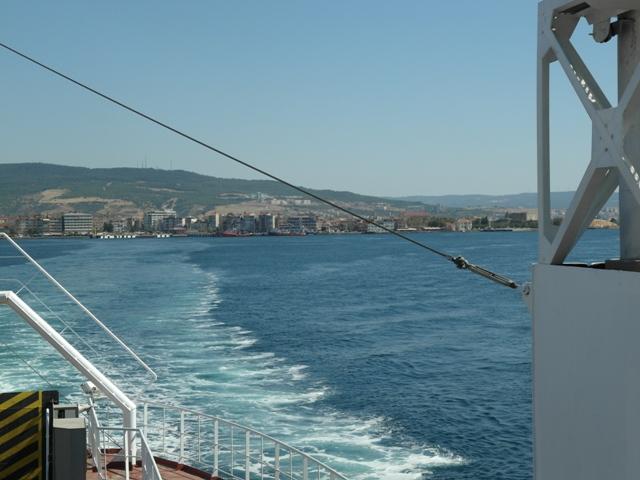
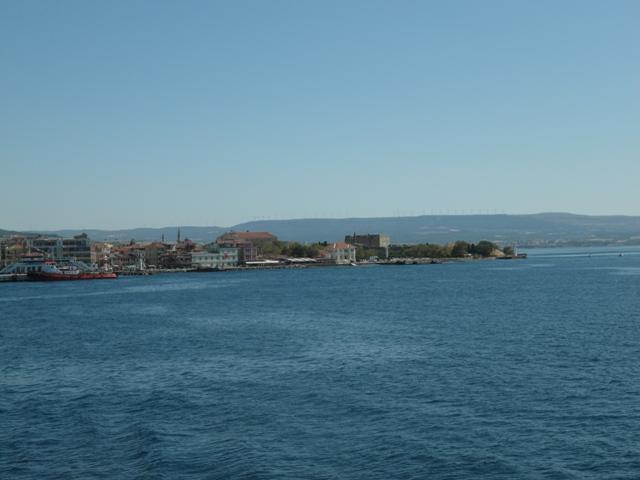
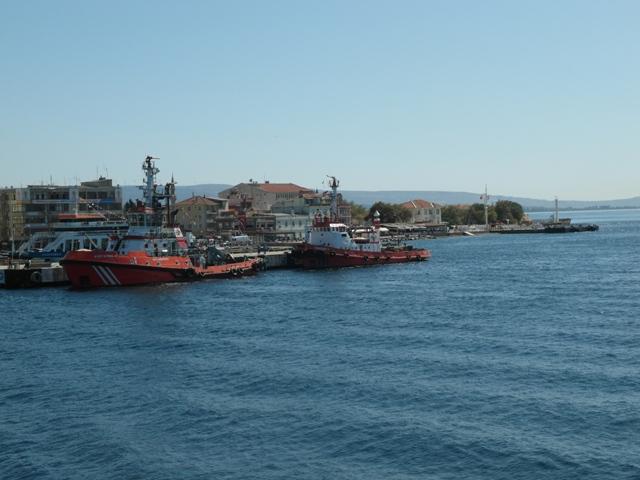
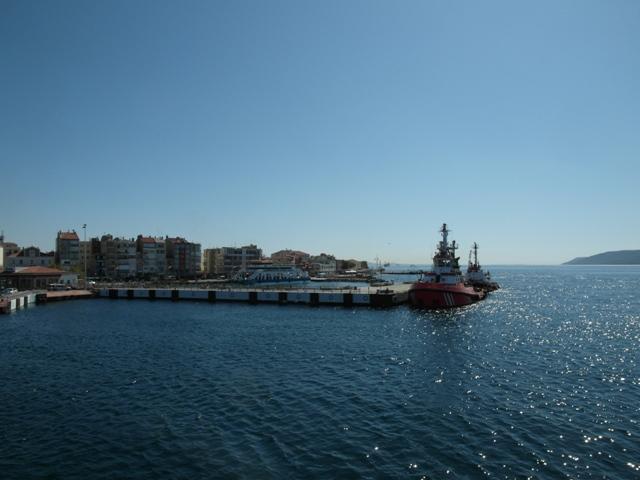
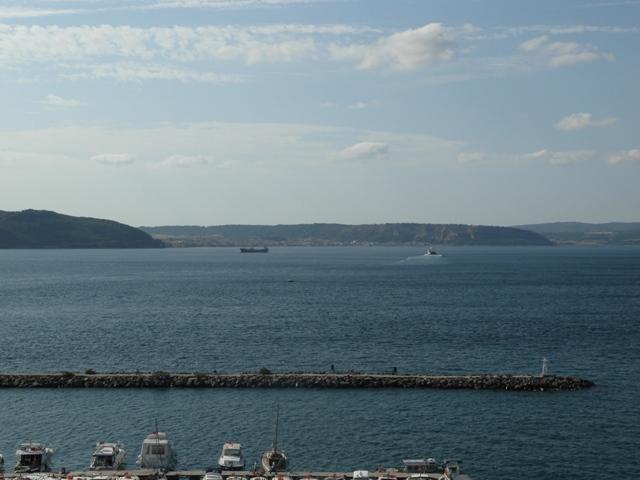
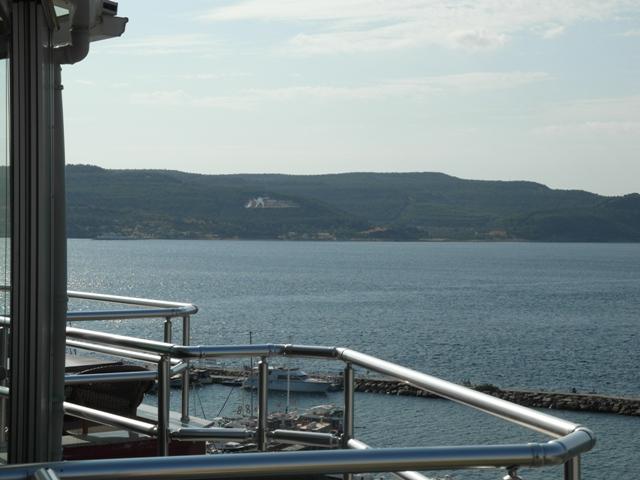
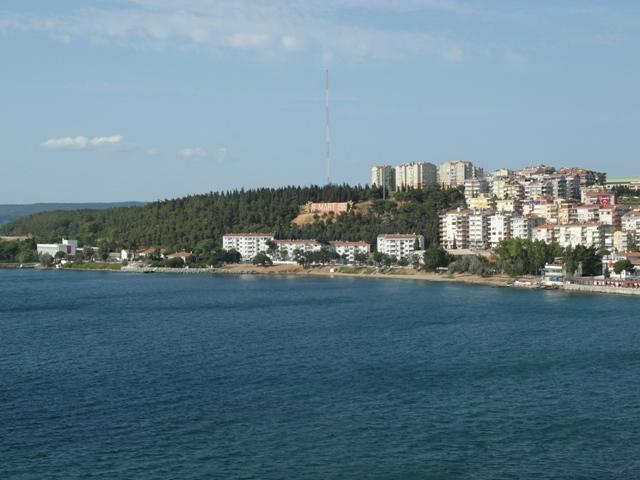
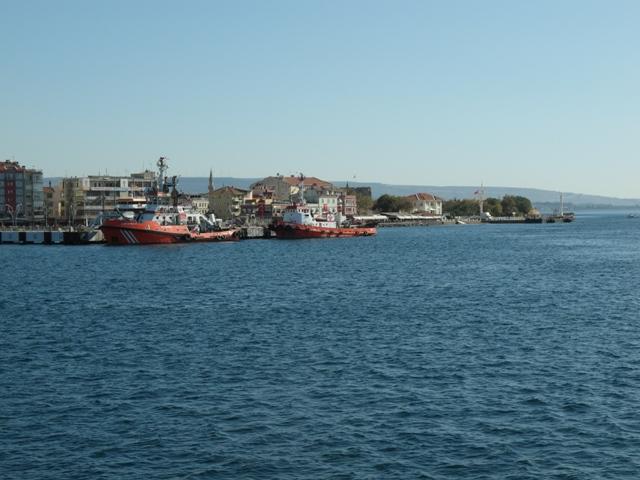
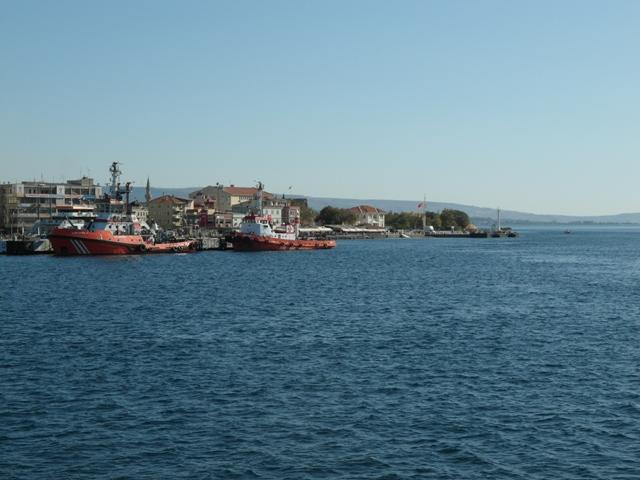
Many competitors stayed in the nearby waterfront hotels of Canakkale, a relaxed town whose Turquoise waters flow swiftly into the Mediterranean sea. Turkey had the largest representation with 300 swimmers. With so many nationalities around, it was like a swimmers' bazaar. Wit and gentle rivalry was there too, with one Australian Ocean swimmer gently enquiring how swimming pool afficionados from Britain would cope in less than calm waters. Thankfully, it was agreed that the Med is a sea, not a raging ocean. Competitors also represented Korea, Switzerland, Ireland, Brazil, South Africa, New Zealand, France, the Philippines, Canada, Congo and naturally Serpentine SC. Bring on the 2012 Olympics.
THE SWIM:
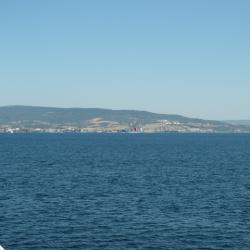
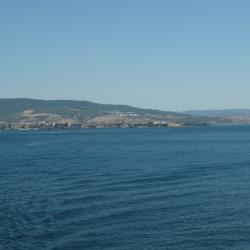
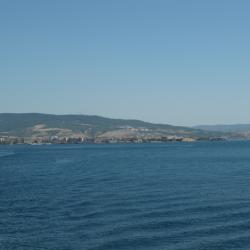
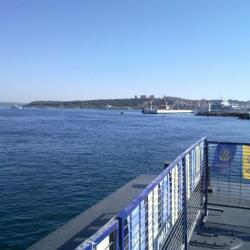
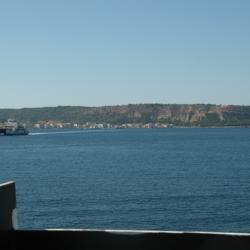
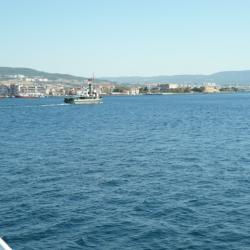
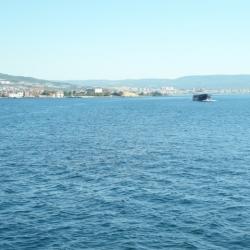
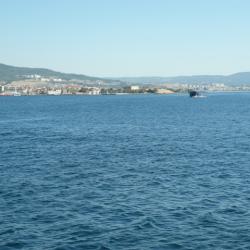
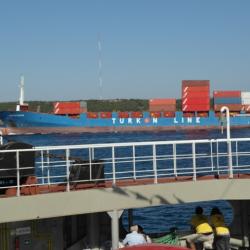
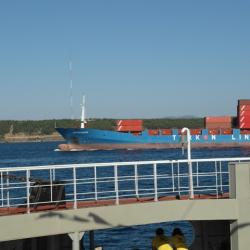
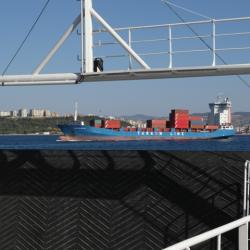
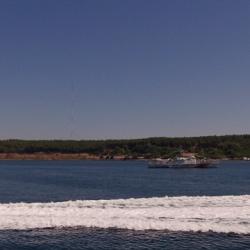
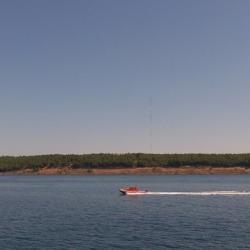
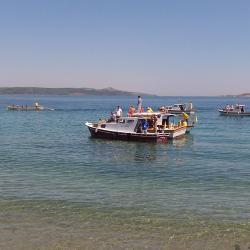
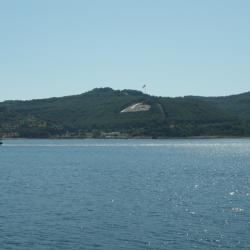
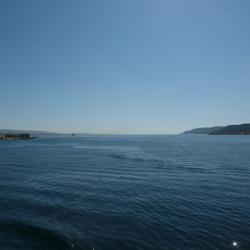
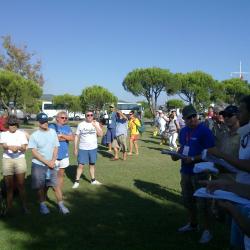
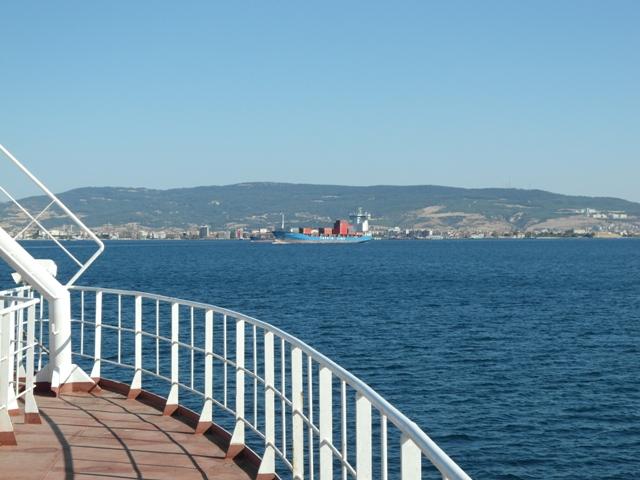
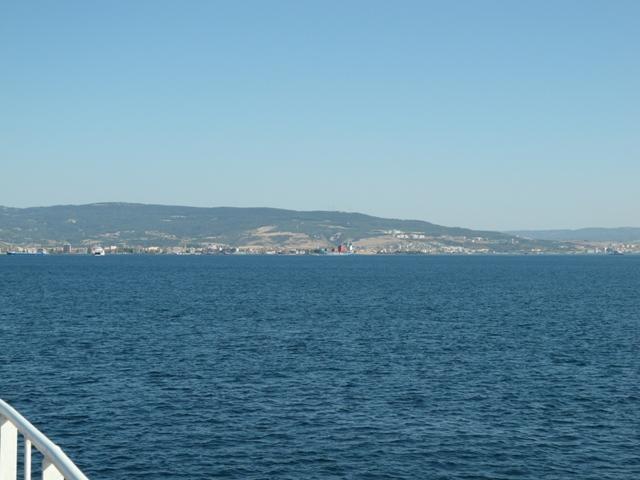
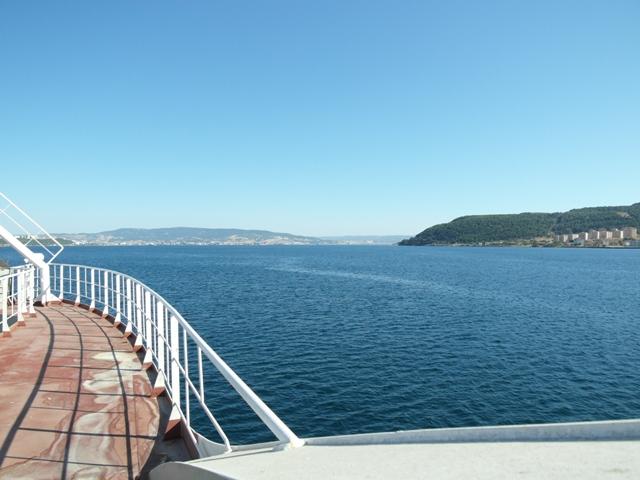
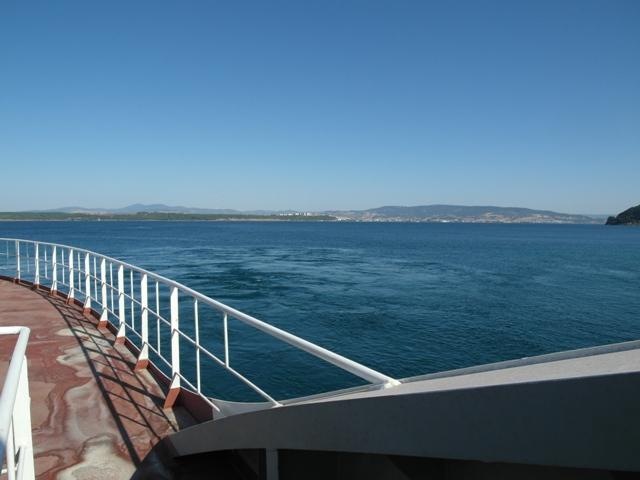
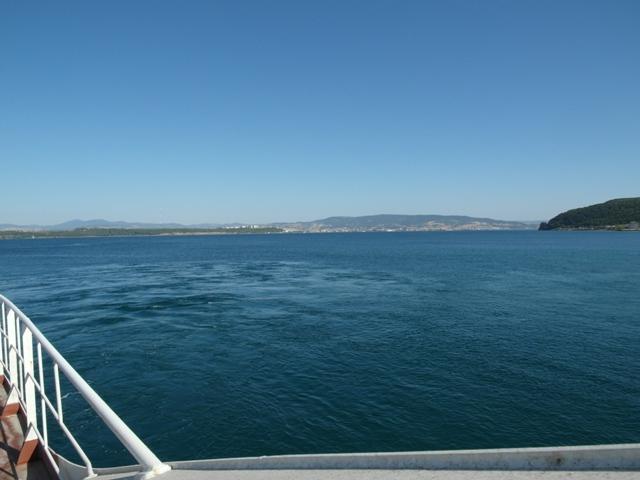
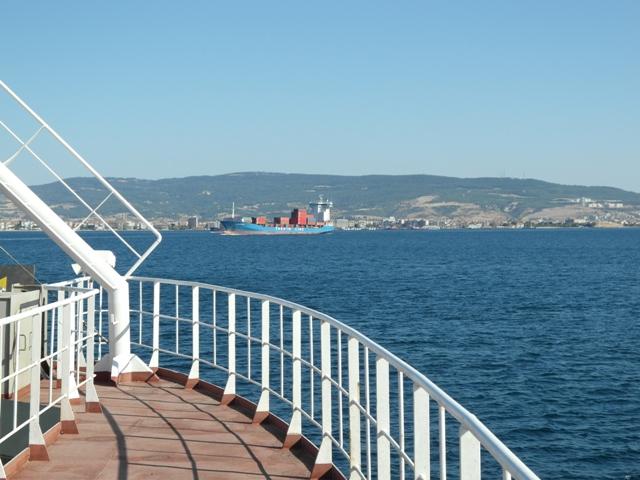
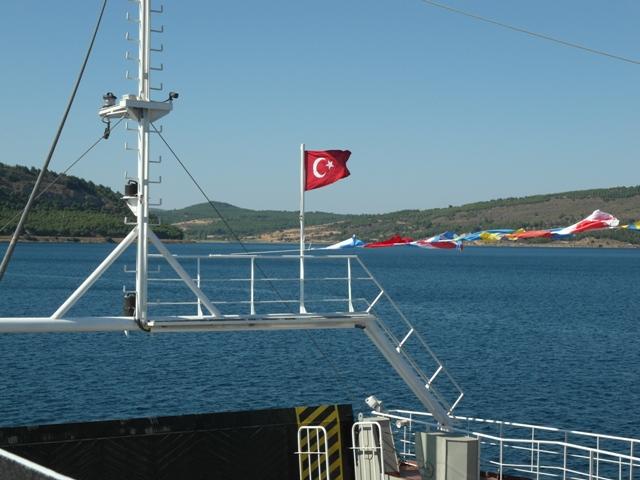
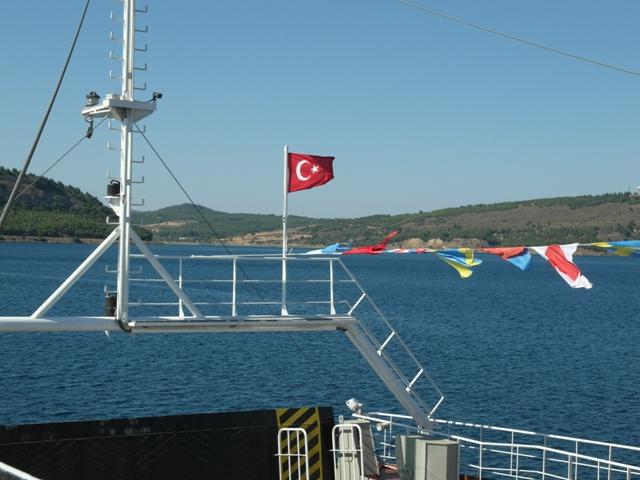
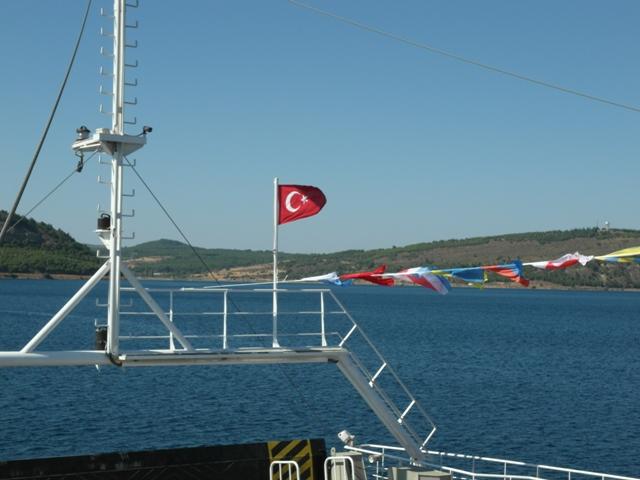
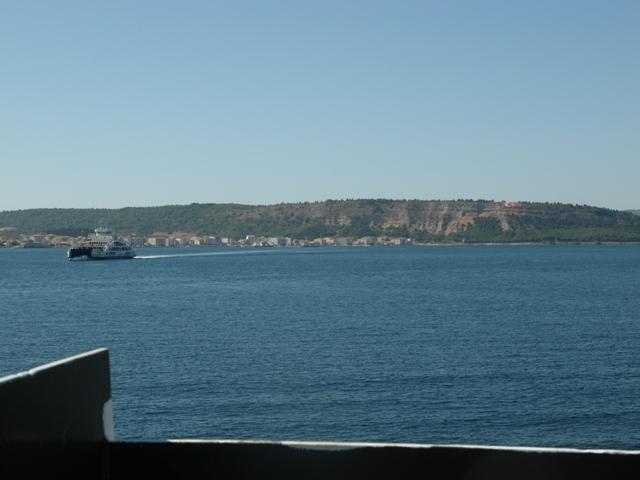
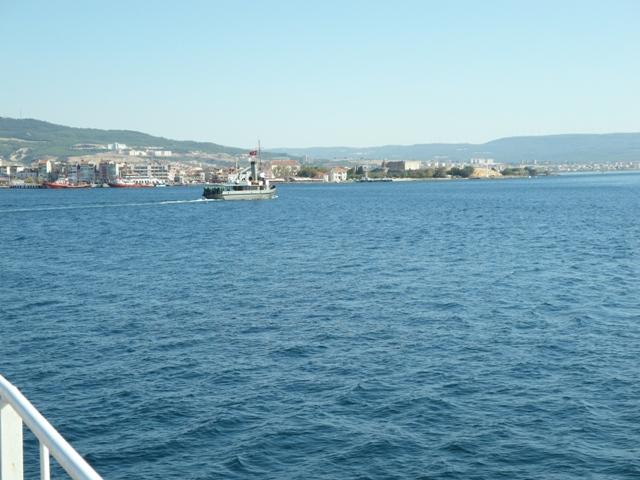
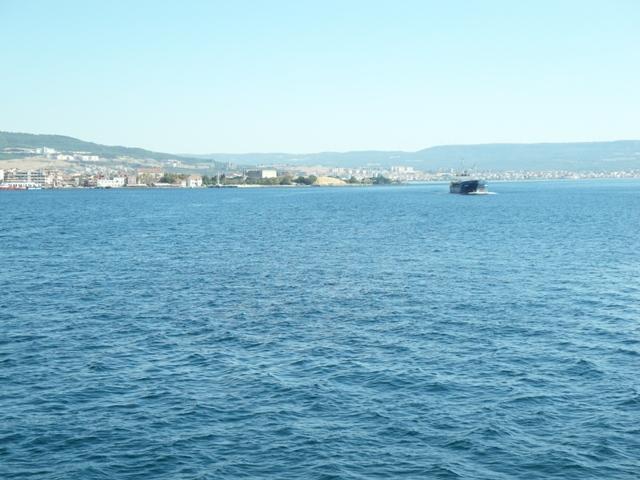
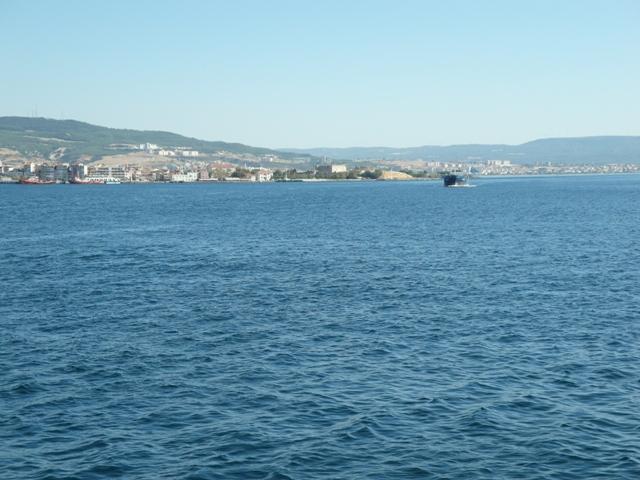
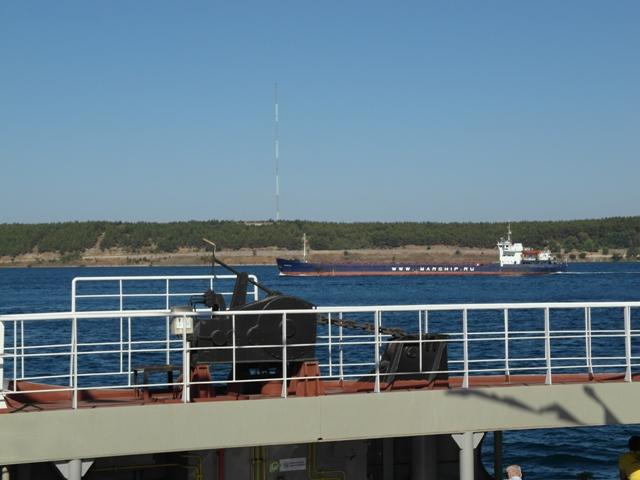
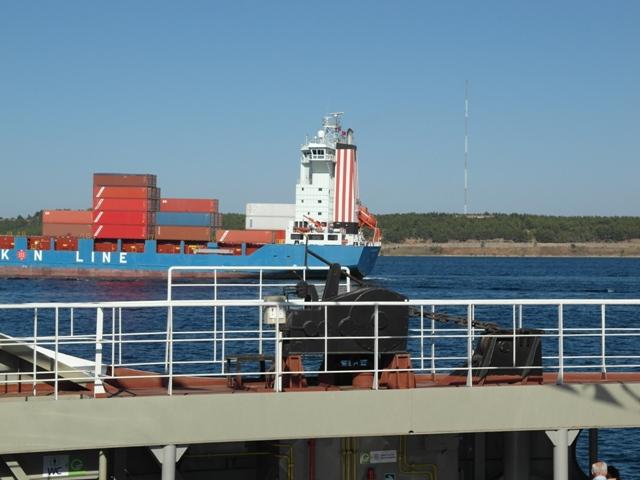
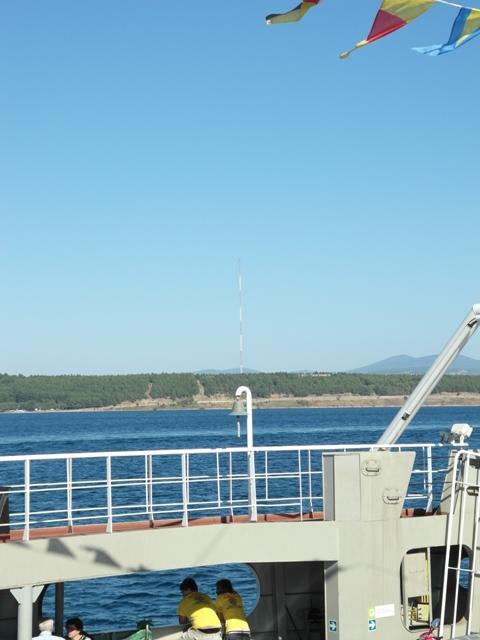
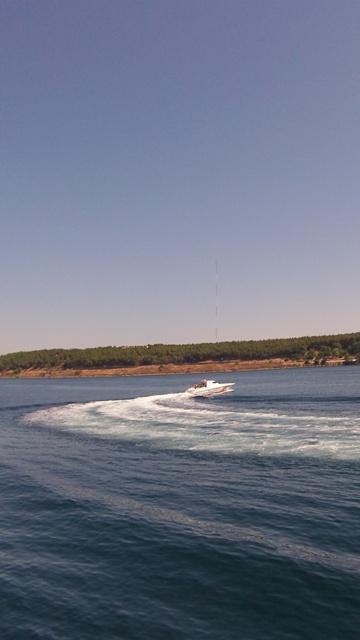
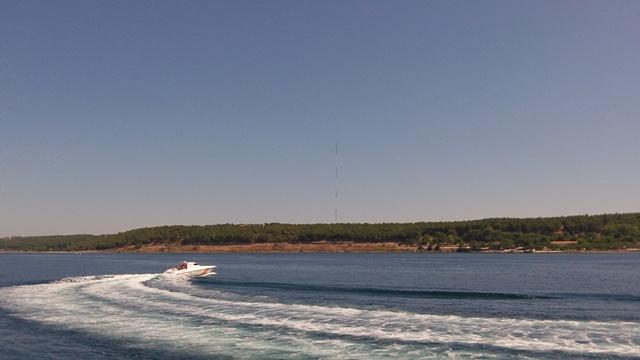
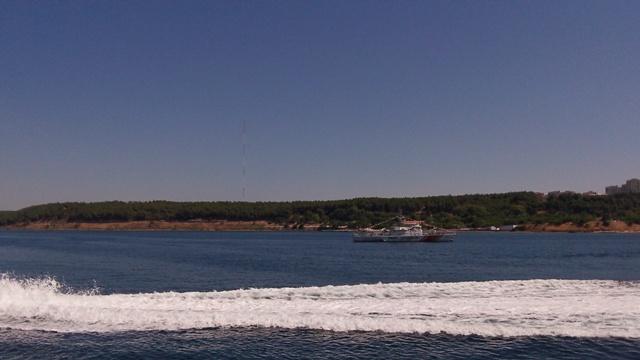
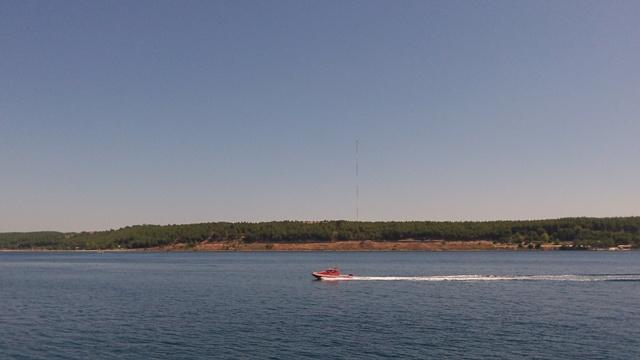
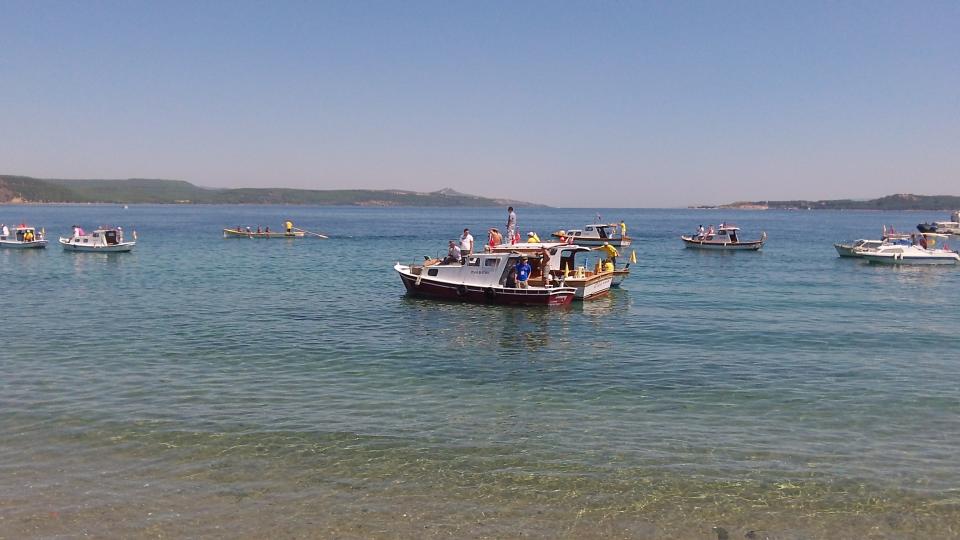
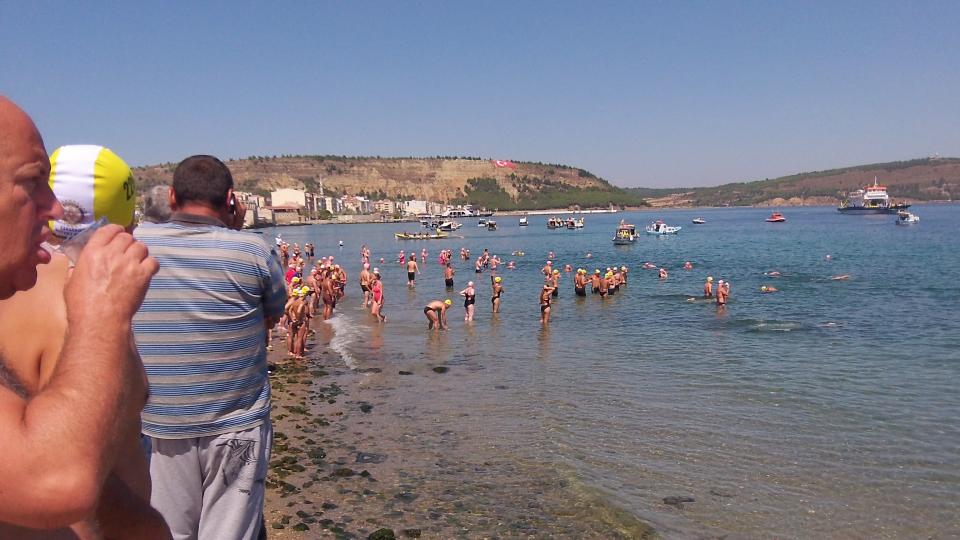
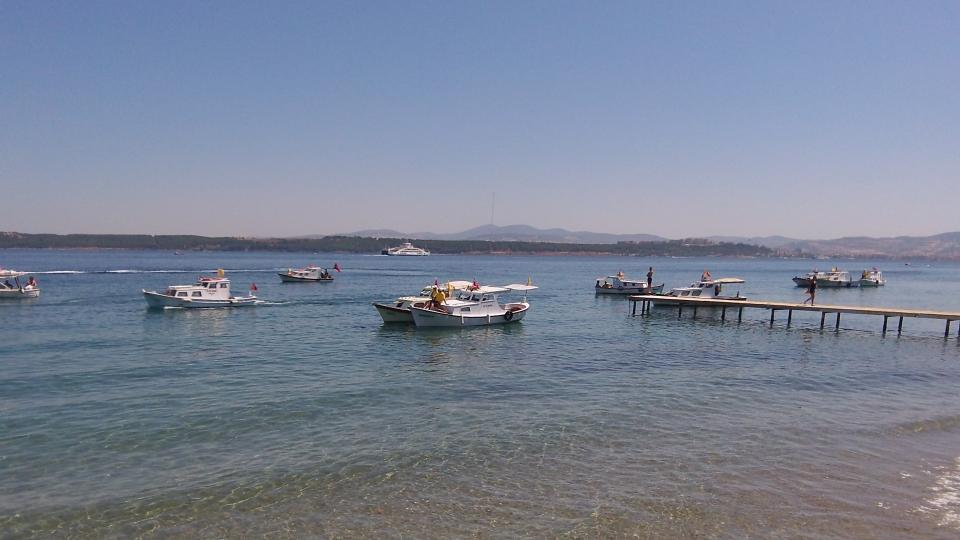
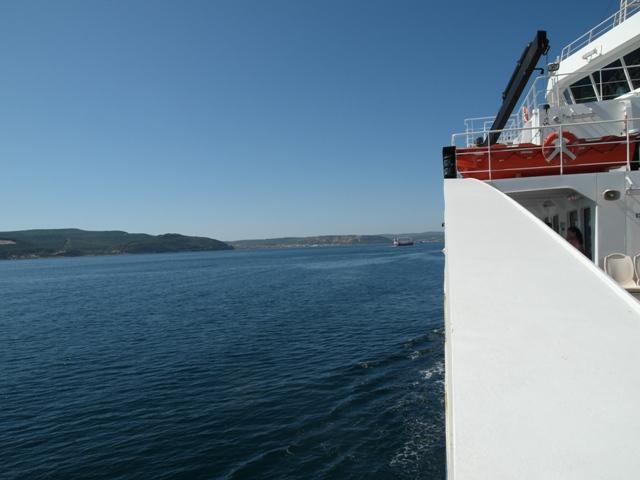
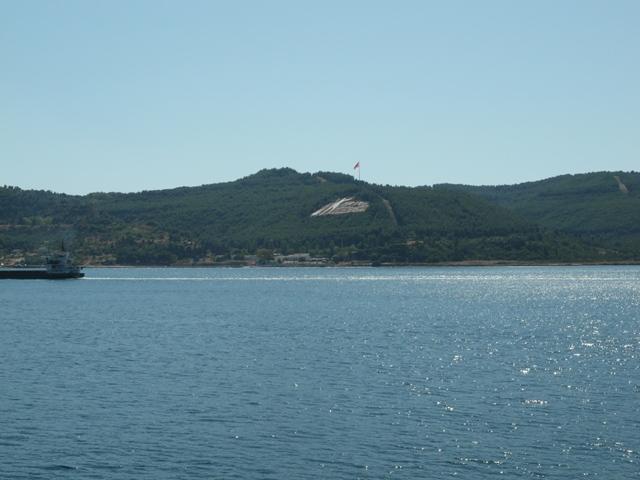
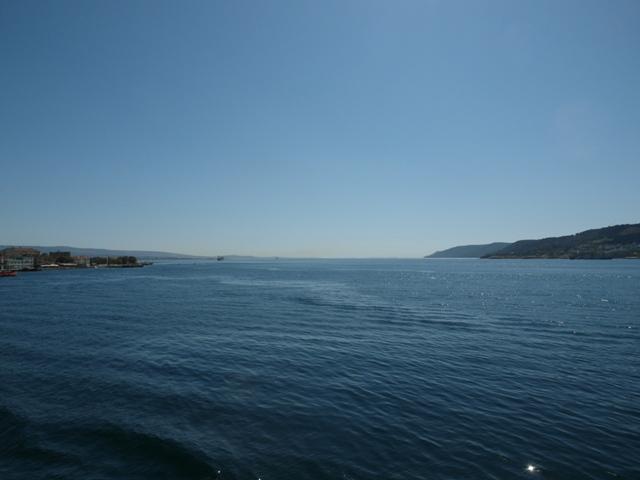
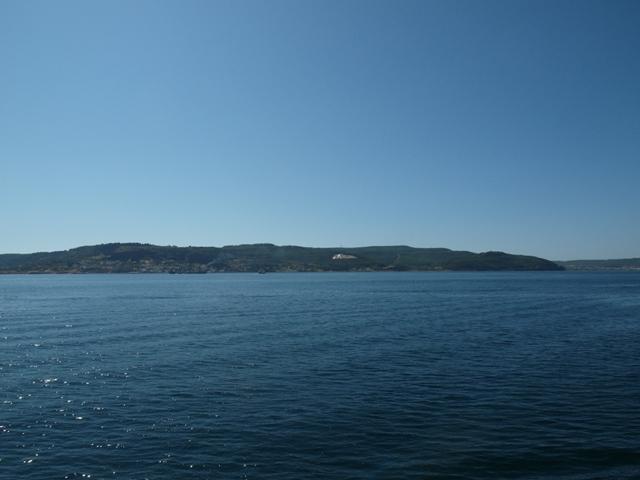
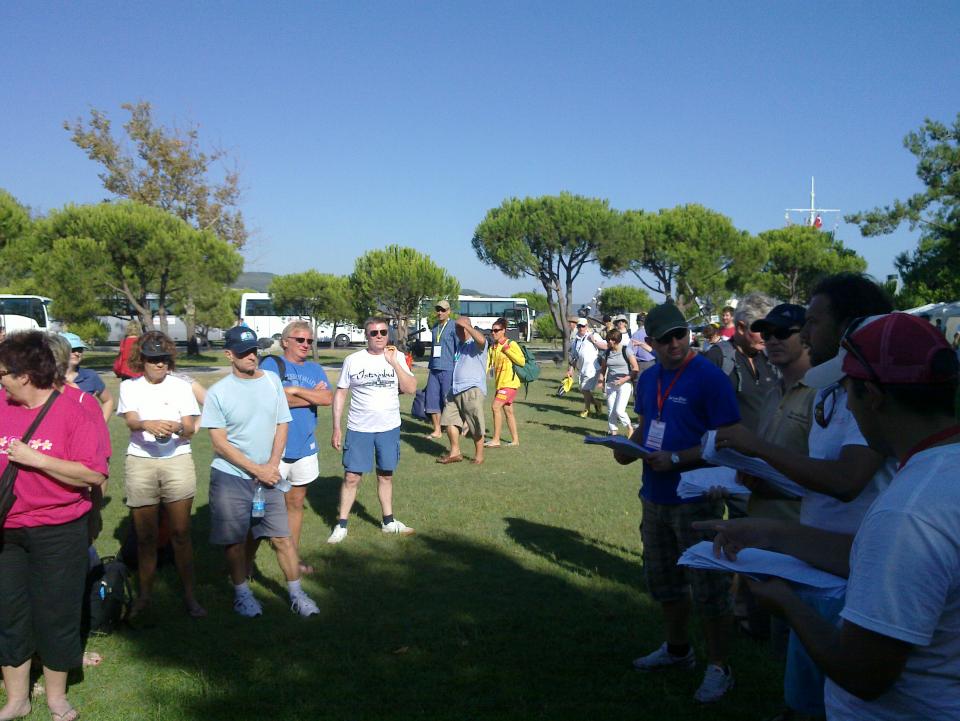
The technical briefing explained how the swim should be executed in a stretch of water which has two fast currents – surface and subsurface - which travel in opposite directions, northwards at shoreline and southwards in the deep middle of the channel. We were to swim strongly, direct east from the European side at Eceabat for 700 metres and aim for a boat decked out with balloons, then feel the downstream push as we shifted southeast for the next kilometre. The final southward swim would take us to Asia and Canakkale. The hardest part was the final 200 metres, where it was very easy to shoot past the finish pontoon and fail to finish. On the day, the absence of wind favoured all the swimmers. The rotary club had also arranged for a closure of the straits to all shipping for 90 minutes. But noone banned the jellyfish. Halfway across, many jellyfish, a fluther, smack or brood, call them what you will, surfaced. Apparently they were the non-stinging variety, but they appeared like oncoming lights on a busy motorway. I did not hear accounts of anyone being stung.
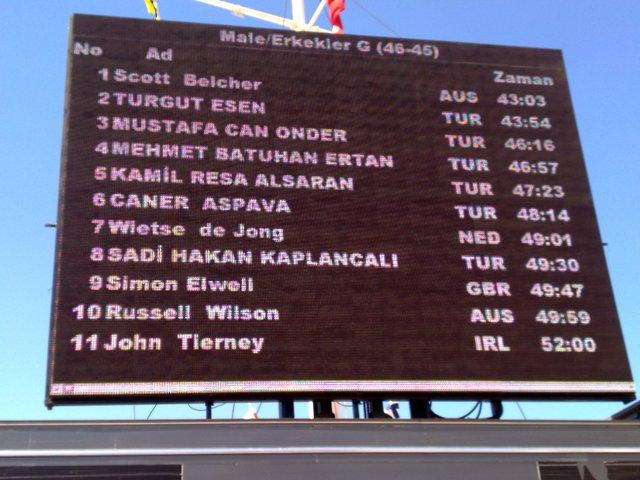
The fastest crossing took 42 minutes, with the last swimmer crossing the line in one hour and 42 minutes. Overseas groups who had registered via SwimTrek started first and swam two sides of a triangle, the Turks started in the second wave of swimmers and used Pythagoras’ theorem to swim a straighter, faster line to the finish. Local knowledge helps. Turkish swimmers filled seven of the top ten places.
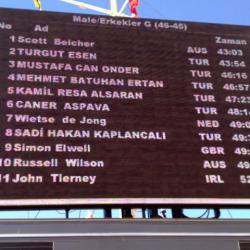
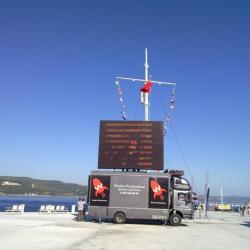
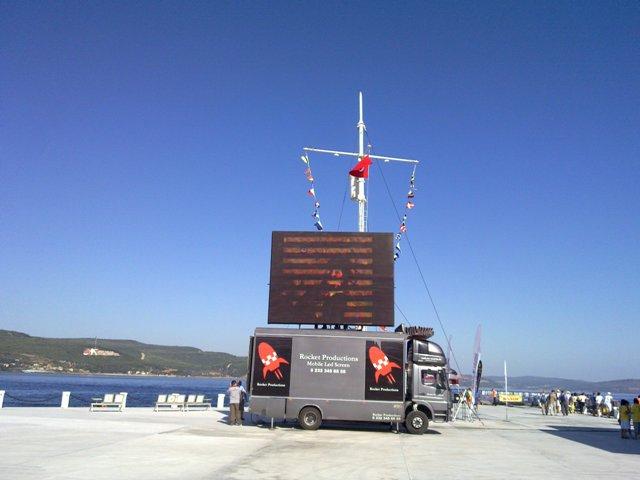
Timing of the event was accurate and was handled by ChampionChip, the international firm, with results being displayed on a large screen on exit from the water.
My swim took 52 minutes and was based on a 58 stroke per minute tempo which left me feeling in good shape at the finish, in 87th out of 500 entrants and about 460 starters. The locally brewed Efes pilsner lager, left me in better condition at the post-race party.
ORGANISERS:
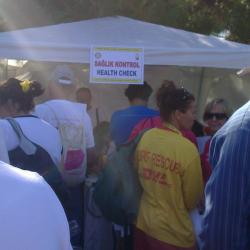
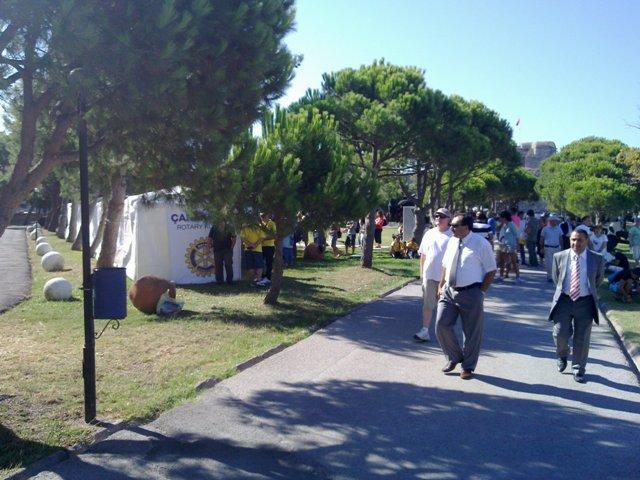
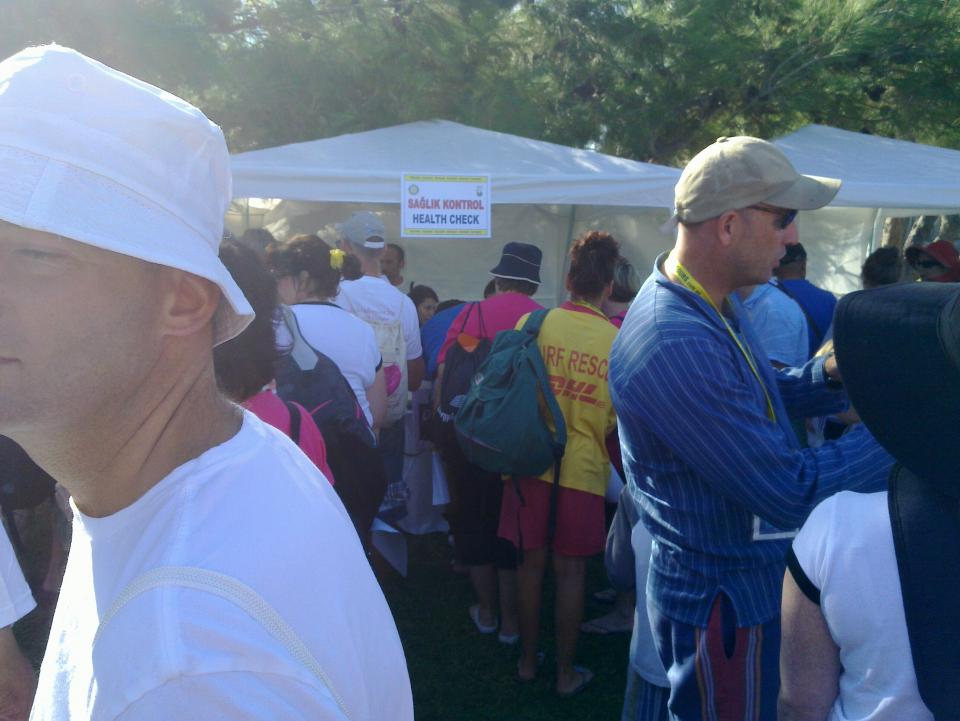
The Canakkale rotary club http://www.canakkalerotaryclub.org provided all swimmers with a backpack filled with tee-shirts, towels, and flip-flops. All finishers received certificates, whilst the Turkish swimmers and top three in each age group also received medals.
PEOPLE:
Many entrants swam with a story beyond their swim, some had lost partners, many swam for charity. And I am sure some were inspired by the priapic poet, Lord Byron. A Dutch team, coached by Olympic swimming star Pieter van den Hoogenband, were easy to spot in their traditional orange kit. The Dutch team have raised over 65,000 euros for research into Amyotrophic Lateral Sclerosis (ALS), also known as Lou Gehrig’s disease at http://www.alsvrienden.nl/acties/Hellespont-Swim
Anzacs were in evidence too. Australian swimmers hailed from Melbourne and Sydney, with the Sydney ‘Bold and Beautiful’ group sporting shocking fluorescent pink outfits. Budgie smugglers indeed. One New Zealander, Christian Cunneen from Christchurch had made the journey from his London base. By a quirk of fate, I had sat beside him during the France New Zealand rugby world cup semi-final in 1999, when the French stunned the Kiwis with a textbook second-half comeback. Ouch! Luke Thompson, Christian's mate who sat with us and the ticket conjuror Tom Nash, at the match will represent Japan in the 2011 rugby world cup.
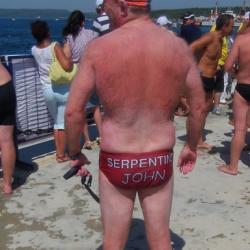
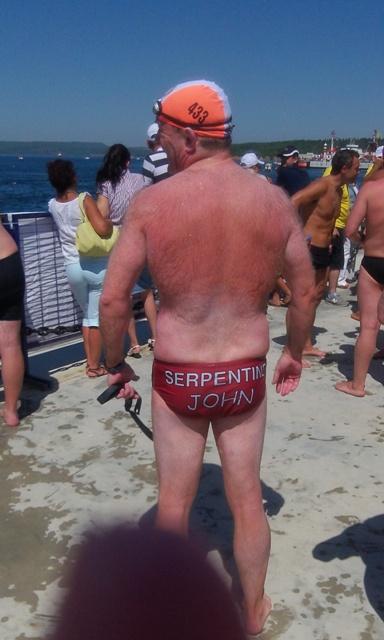
Portobello ASC can be proud of Bill Anderson, a former Scotland water polo coach who won silver in the over 70 category. Jane Jolly from Co. Cork, Ireland, won gold in her age group. Elsewhere, there were swimmers representing Switzerland, Sri Lanka, USA, Phillipines, South Africa, Canada, Brazil, Korea and France and 'SERPS'.
TRAVEL LOGISTICS:
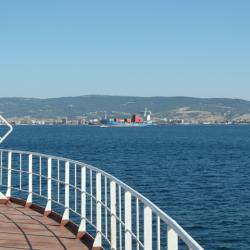
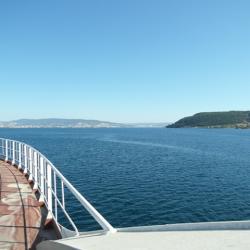
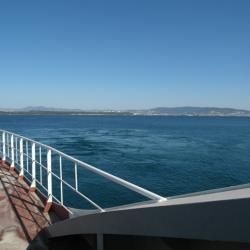
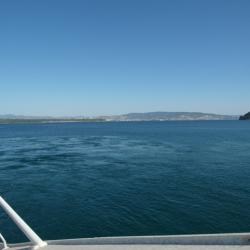
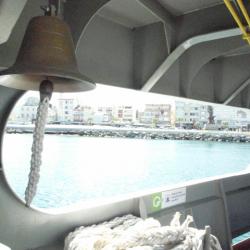
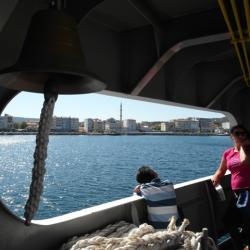
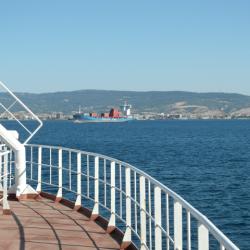
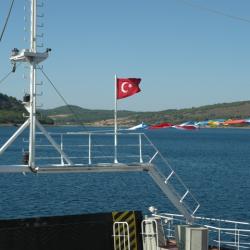
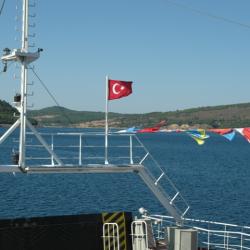
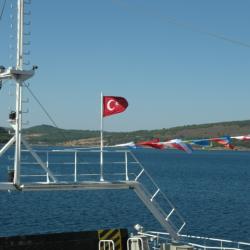
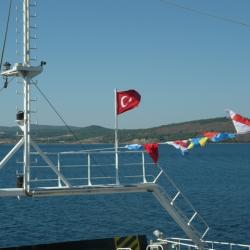
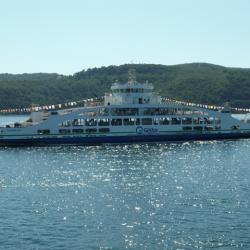
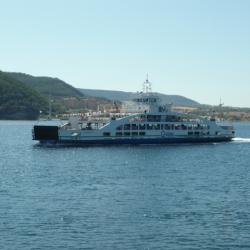
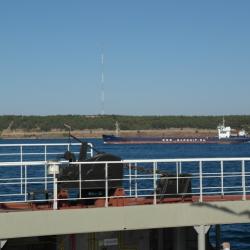
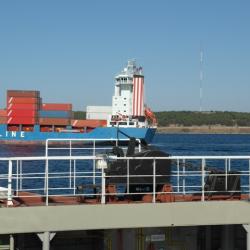
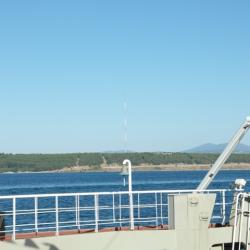
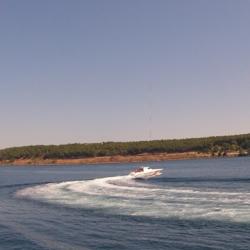
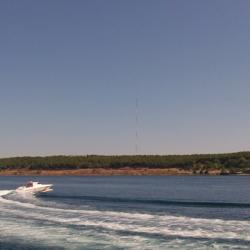
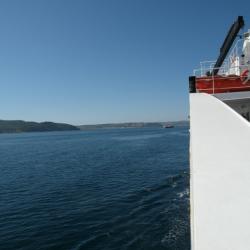
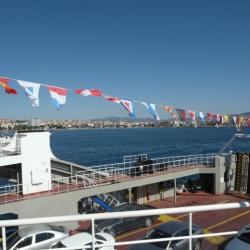
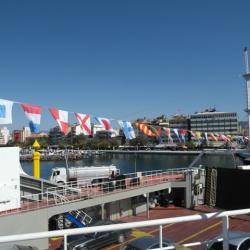
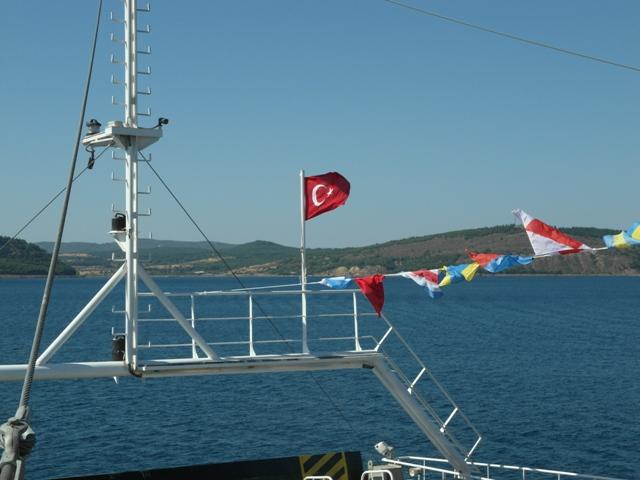
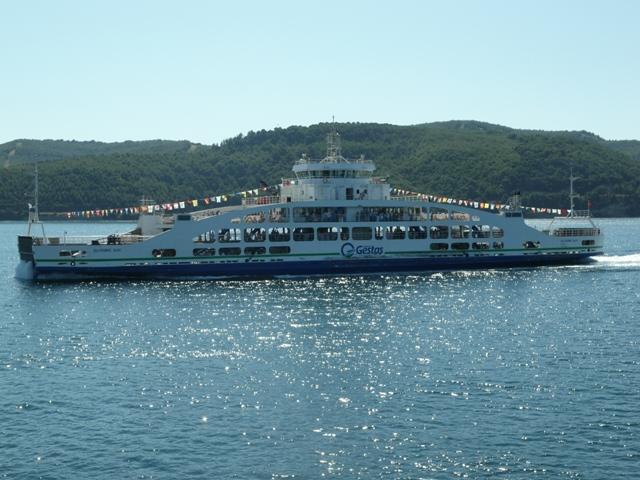
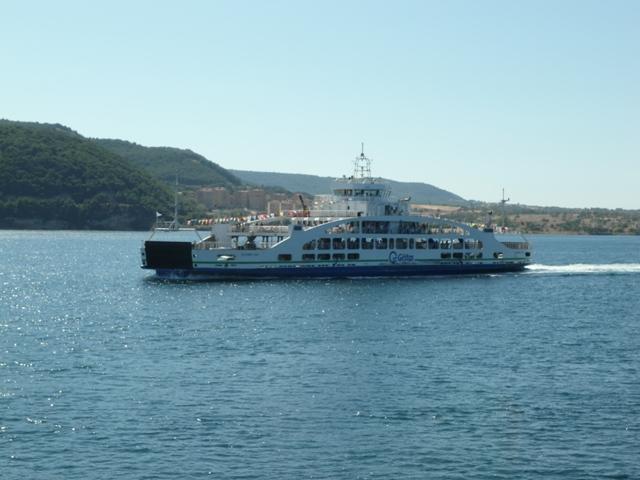
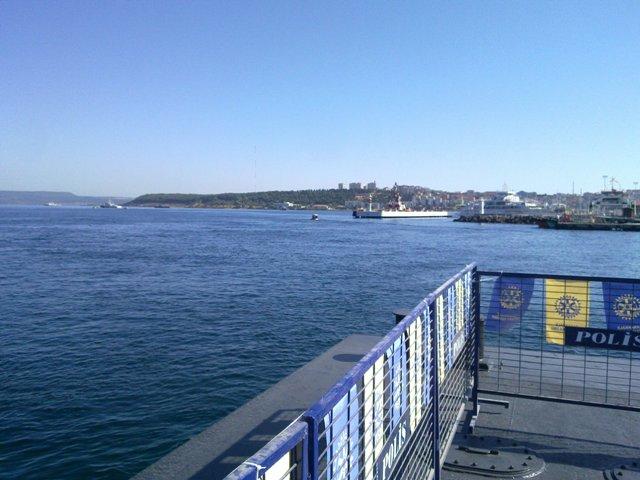
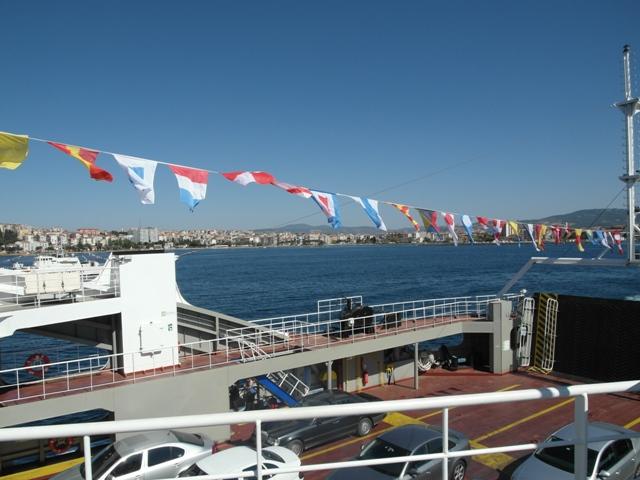
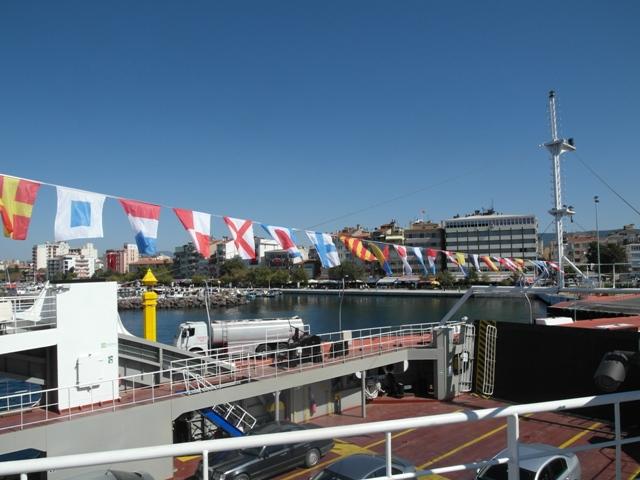
The travel logistics were straightforward. Unlike some terminals closer to home, Istanbul international airport has an easily navigable arrivals hall situated on one level. If you decide to travel, ensure you purchase a visa on arrival before going through passport control. My route was via a fast ferry on the recently privatised IDO ferry line which serves Istanbul and Bandirma. My journey to Bandirma took two hours and I was accompanied by dolphins who swam starboard side. From Bandirma, I took a three-hour bus ride on the ‘Kamil Koc’ service. The bus was equipped with a free wi-fi connection. Connectivity across all of Turkey was fast and efficient. Ticket booking was straightforward with a credit card, but note that debit cards will not work. The Istanbul taxi drivers were scary in their driving, whilst not quite seeking the shade, they made full use of both lanes at all times. A rudimentary headcount showed one in ten of all road users wearing a seat belt. Fewer bikers were helmets. Ticketing systems and travel methods would match the quality of any modern global city.
Overall, the trip and swim was fun and well-organised. I would recommend it to anyone.